Part Time Entry Level Jobs That Pay Without Experience
If you want to ease your way into the job market, part-time entry level positions may suit your purposes. These jobs are ideal for gaining work experience and generate cash simultaneously. Many companies are actively recruiting for these positions, with an astounding 352,000 jobs available across the various sectors.
From my experience, these types of jobs are best suited for students, people who are changing their career paths, or anyone who just wants to work part-time. Many entry level positions also offer the opportunity to advance into full time roles in the company. Even better, the increase in remote work opportunities means there are now more entry level part-time remote jobs than ever before.
Finding the best entry level part-time jobs is all about knowing how to market yourself and where to look. I plan on giving you tips to help you navigate different job searching sites, write an eye catching cover letter, and make the most out of networking. There truly are countless possibilities for everyone, senior students looking for a part-time job or someone trying to switch their career.
Key Takeaways
- Flexible part-time jobs at the entry level provide a positive experience for different stages of an individual’s career journey.
- Part-time employment opportunities have grown due to remote work possibilities.
- There is higher success in gaining these roles with proper networking and effective job search techniques.
Understanding Part Time Entry Level Jobs
Entry-level positions are one of the best opportunities for beginners to kick-start their careers. They set new employees up for development and learning. Let me tell you what these positions are and what it takes to get one.
Defining Entry Level Positions
Entry level jobs are designed for individuals who are just beginning their careers and job experience. These jobs have a very low barrier to entry in terms of experience. They can be full-time or part-time. I encounter this type of jobs often in offices, shops, and even cafeterias.
Common entry level positions are:
- Retail sales associate
- Customer service representative
- Office assistant
- Food service worker
These positions enable newly employed individuals to grasp fundamental competencies. They learn how to cooperate and solve issues at a minimum. Lower level positions pave way to senior level positions eventually.
Requirements and Qualifications
The requirements and qualifications vary for entry level positions. Some require at least a high school education whereas others ask for a few college credits. The majority, however, have no educational requirements at all.
Some of the skills helpful in entry level jobs include:
- Good communication
- Basic computer skills
- Ability to work in a team
- Open mindedness
Some of the more experienced employees provide training for lesser skilled personnel. This allows newly employed personnel to acquire necessary skills. I believe that having the right attitude and willingness to learn is far more valuable than having irrelavant skills at the start.
Overview of the Job Market
There is a rapid transformation in the market for part-time employment opportunities. This evolution indicates the introduction of new patterns regarding how individuals work and the particular jobs that are accessible. Some industries are advancing comparatively more than the others in terms of part time positions.
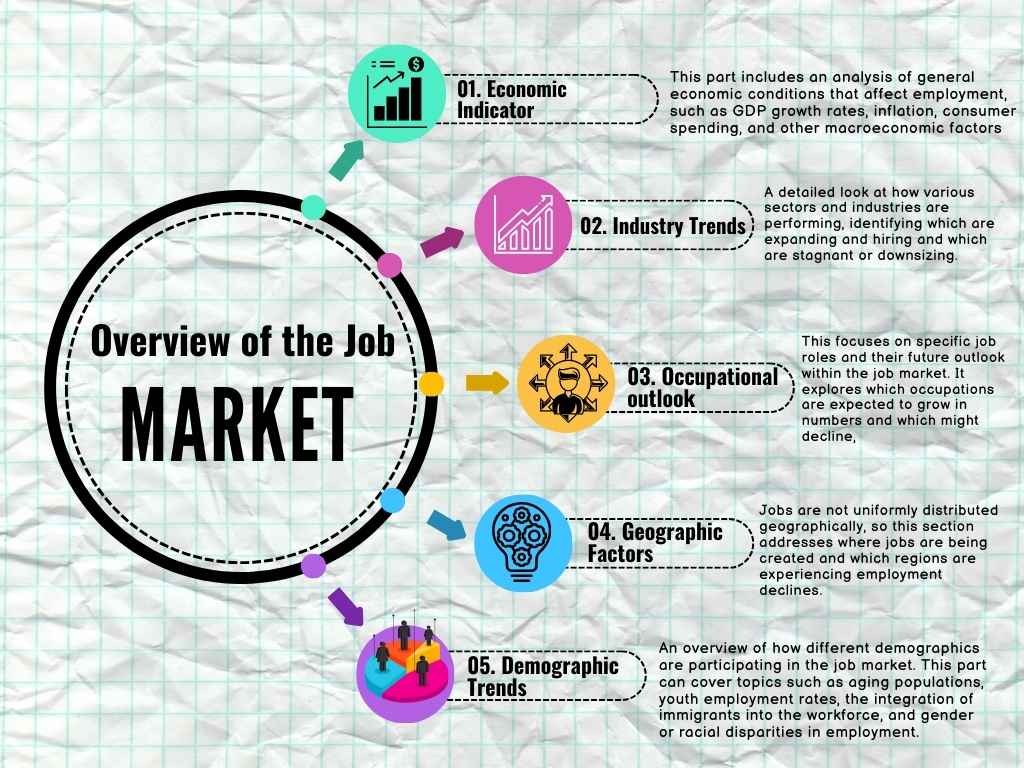
Current Part-Time Job Trends
Most noticeable is the trend towards remote jobs. Remote and hybrid part time jobs are now offered by many companies. Employees now have more authority over their schedules.
The gig economy is another trend. More and more people are engaging in contract and freelance work. This allows them to combine several part time positions.
In addition, part time employees are being offered additional benefits. Health related benefits, paid leave, and other perks are increasingly being offered. This is making part time jobs more attractive.
Growth Sectors for Part-Time Work
Some sectors have strongly increased the availability of part time jobs. In healthcare, for instance, its is significant. Both hospitals and clinics usually have a need for part time employees who can work different shifts.
Another sector is information technology. Numerous technology companies have part time positions for:
- Customer support
- Data entry
- Software testing
Education, too, is expanding. There is a demand for part-time teachers and teaching aides in schools. The growth of online education has created even more opportunities in this sector.
The retail and hospitality industries have always had part time positions available. However, these industries now offer more flexible scheduling.
Navigating Part-Time Job Search Platforms
With the right tools, it can be made so much easier to find entry-level jobs that are part-time. I will explain some important parts of how to make use of job search sites and the advantages of using ZipRecruiter program.
Leveraging Online Resources
I personally believe that partaking in professional networking through internet job portals is one of the most essential steps in the job search process. Filters for part-time and entry-level roles are available on most sites. The first step for me is always setting up a solid profile on the sites. This helps me get noticed by employers.
When using these sites, I ensure to use keywords that will give me results that I need. For instance, “Customer service part time” or “data entry jobs for fresh graduates.” This helps eliminate the irrelevant options from the results.
I also set up email alerts on these platforms. This notifies me whenever there is a new job I may be interested in. This is a great time saver while also making sure no opportunities slip through the cracks.
Benefits of Using ZipRecruiter
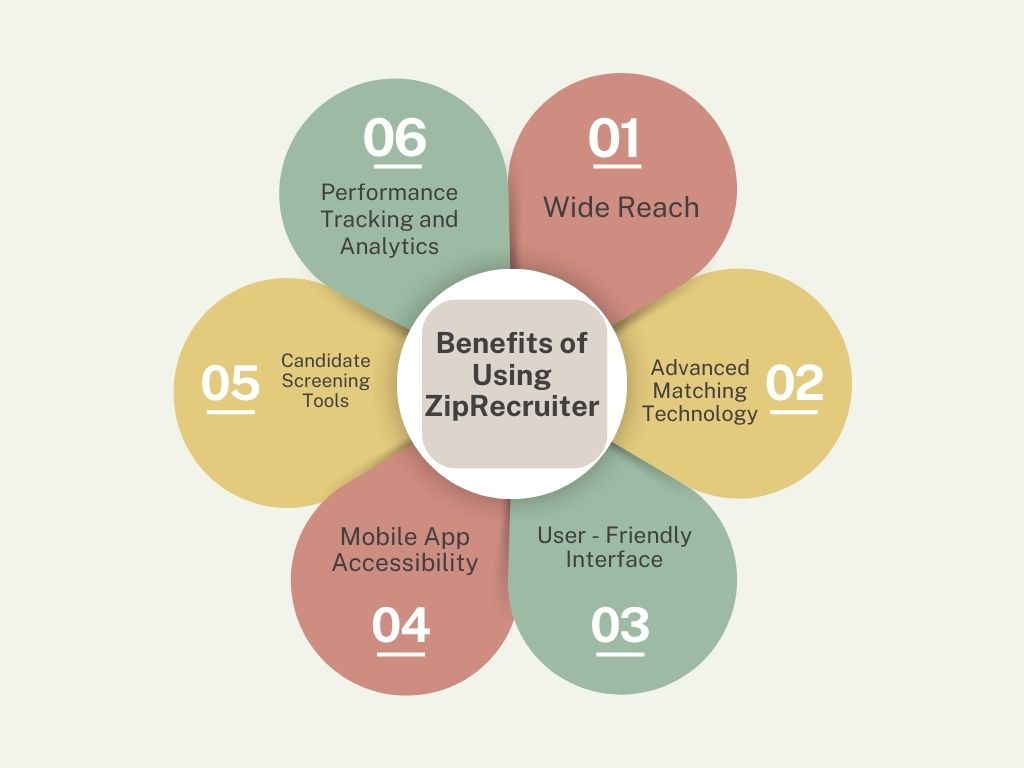
Apart from other sites, ZipRecruiter ( www.ziprecruiter.com ) is by far the best when it comes to finding part-time, entry-level jobs. Its features that enable AI to match me with job openings is a great feature, and a personal favourite. It allows me and other clients to search for recent jobs in a much easier and efficient way.
One aspect that has been useful to me is the “1-Click Apply” feature. This allows me to apply to different jobs with just a click and saves me the hassle of typing the same information over and over again. Thus, this option makes my job search significantly faster.
In addition, ZipRecruiter supply other helpful tools, including salaries and company reviews. This information helps me make better choices when it comes to potential employers, allowing me to focus on companies that will support my objectives and principles.
Application Process Explained
Obtaining a part-time entry level job involves important steps. Here, I will explain crafting a competitive resume as well as interviewing techniques that raise your probability of success.
Creating an Effective Resume
A well crafted resume is important in getting part-time employment. I suggest that possible applicants write a one-page resume to make it easier for employers to remember them. Use bullet points to itemize your skills and experiences. Include relevant classes taken, volunteer work, and former employment. Make sure to customize your resume for each position. Showcase skills that correlate with the job advertisement.
Start with the most relevant information and give a brief explanation of what you did. For example, “Led a team project” and “Organized fundraising event.” Be sure to look over your writing for mistakes. Attention to detail is crucial, and having no errors on your resume shows you have these qualities.
If needed, proffessional resumes are offered for free on many websites. Always include your contact details at the very top of the document for easy access.
Understanding the Interview Process
Most entry level part time positions tend to have interviews that are relatively short, but crucial. As I recommend, try finding out more about the company in advance. Be ready to respond to, “What motived you to apply in our company?” and “What specific skills do you posses that would benefit us?”
Be sure to display proper body posture. Sid in a straight position while looking at the interviewer. Make sure to wear something appropriate, irrespective of how casual the workplace is. Your best bet is to arrive slightly before the start time, around 10 to 15 minutes.
Be prepared to share your schedule. Almost every part time interview seeks candidates that can adjust their schedules appropriately. Inquire about the position and the organization so that you can comfortably express your enthusiasm and evaluate if the opportunity is right for you.
Send a follow up “thank you” email to the interviewer no longer than a day after the interview. Reiterate your level of interest and appreciation while summarizing the main points of the discussion.
Salary and Compensation
Part-time, entry-level roles can provide some base pay and benefits although these are often limited. Let me walk you through what you may see in terms of salary and employee benefits when starting these roles.
Entry Level Salary Expectations
Entry-level part-time jobs typically pay around $35,227 per year on average. This figure can vary widely based on the industry and location.
Some fields offer higher starting salaries. For example, I’ve found that data analysts can earn around $86,584 in entry-level positions.
It’s important to research salaries in your specific area and field. Pay can differ significantly between cities and industries.
When negotiating, I recommend looking at salary ranges rather than fixating on averages. This gives you a better idea of potential earnings.
Understanding Employee Benefits
Employee benefits can greatly enhance your overall compensation package. Here are some common benefits you might encounter:
- Health insurance
- Paid time off
- Retirement plans (e.g., 401(k))
- Flexible scheduling
- Professional development opportunities
Even as a part-time employee, you may be eligible for some of these benefits. It’s crucial to ask about the full benefits package during your job search.
Some companies offer unique perks. These might include gym memberships, tuition reimbursement, or employee discounts.
I advise considering the total value of compensation, not just the salary. A job with a lower hourly rate but better benefits might be more valuable overall.

Work-Life Balance
Part-time entry-level jobs can offer great work-life balance. They let me earn money while having time for other things I care about.
Advantages of Part-Time Employment
Part-time work gives me more control over my schedule. I can often choose shifts that fit my life. This flexibility helps me balance work with school, family, or hobbies.
Part-time jobs usually have fewer hours. This means less stress and burnout. I have more energy for my personal life.
Many part-time roles may offer good benefits too. Some give health insurance, paid time off, or tuition help. I can get perks without working full-time.
Achieving Work-Life Balance
To make the most of part-time work, I need good time management. I plan my days carefully to fit in work and personal tasks.
I set clear boundaries between work and personal time. When I’m off the clock, I fully disconnect from work.
Finding a job with good work-life balance is key. I look for employers who value flexibility and employee well-being.
I also make sure to use my free time well. I focus on self-care, relationships, and personal growth. This helps me feel fulfilled in all areas of life.
Career Advancement
Part-time entry-level jobs can be a great starting point for career growth. I’ll explain how to develop skills and move into full-time roles to advance your career.
Skills Development for Upward Mobility
I’ve found that focusing on skill development is key for moving up from entry-level jobs. I recommend taking on extra tasks at work to learn new skills. For example, if you’re in retail, ask to help with inventory management.
Online courses are another great option. Many free or low-cost classes can teach you valuable skills like data analysis or project management.
Networking is also crucial. I suggest connecting with coworkers and managers to learn about other roles in the company. This can help you find opportunities for advancement.
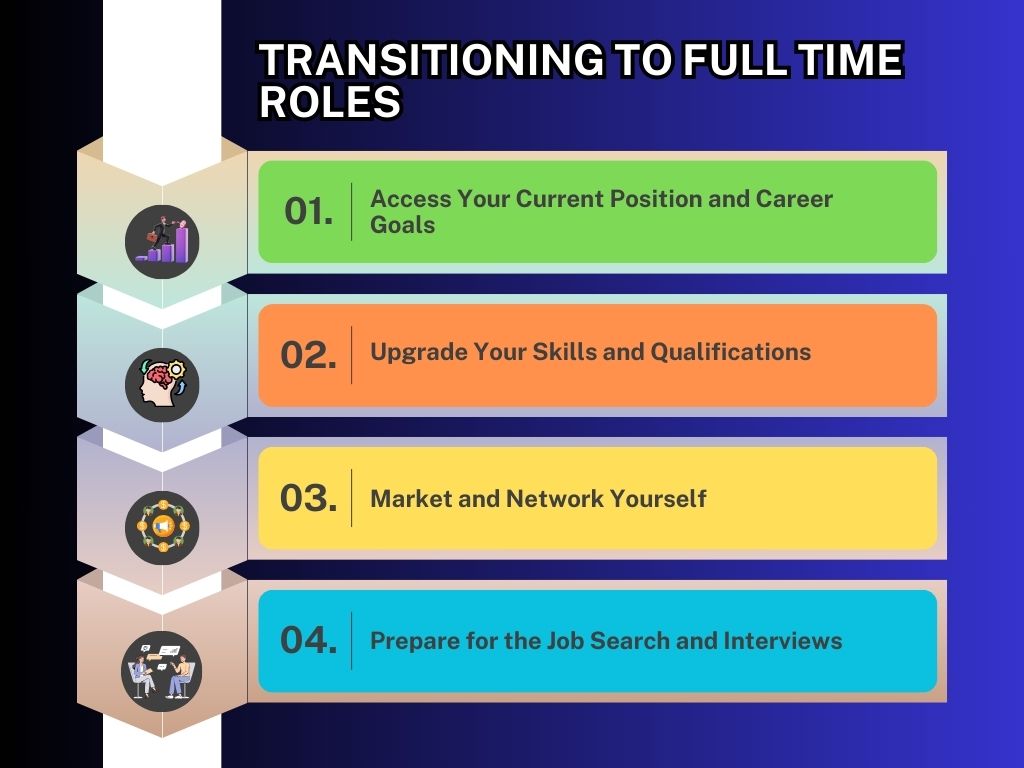
Transitioning to Full-Time Roles
Moving from part-time to full-time often means more job security and benefits. I advise talking to your manager about your career goals. Many companies prefer to hire from within, so showing initiative can lead to full-time offers.
Be ready to take on more responsibility. This might mean working different shifts or learning new tasks. I’ve seen many part-time workers get full-time roles by being flexible and reliable.
It’s also smart to keep an eye on internal job postings. Some entry-level jobs are designed to lead to full-time positions. Apply for these roles when you feel ready.
Building a strong work record in your part-time role can make you a top candidate for full-time positions. I recommend tracking your achievements to showcase your value to the company.
The Role of Networking to Pay Attention
Networking plays a crucial part in finding part-time entry-level jobs. I’ve found that building connections can open doors to opportunities that might not be advertised publicly. It’s also a great way to learn about different industries and roles.
Building Professional Relationships by Sharing Articles
I’ve learned that building professional relationships is key to successful networking. I start by attending industry events and job fairs. These gatherings are perfect for meeting people in my field of interest. I make sure to bring business cards and practice a short introduction about myself.
I also reach out to alumni from my school or former colleagues. These connections often lead to valuable insights about job openings. It’s important to keep in touch regularly, not just when I need something. I send periodic updates or share interesting articles to maintain the relationship.
Informational interviews are another tool I use. I ask professionals in my target industry for a brief chat about their career path. This helps me learn more about potential roles and make new connections.
Utilizing Social Platforms
Social media platforms are powerful networking tools for part-time entry-level jobs. I focus on LinkedIn as my primary professional network. Here’s how I make the most of it:
- Complete my profile with a professional photo and detailed work history
- Join relevant industry groups and participate in discussions
- Follow companies I’m interested in for job postings and updates
- Connect with recruiters in my field
I also use Twitter to follow industry leaders and join conversations about my field. This helps me stay up-to-date on trends and sometimes leads to job opportunities.
Facebook groups can be useful too. I join groups related to my profession or local job boards. These often have postings for part-time or entry-level positions that aren’t listed elsewhere.
Industry-Specific Considerations
Different industries offer unique part-time entry-level jobs. The qualifications and opportunities vary based on the field you’re interested in. I’ll explore some key areas to consider.
Part-Time Opportunities in Different Fields
The retail industry often has many part-time openings. I’ve seen positions like cashier or sales associate that can fit a flexible schedule.
In customer service, I know call centers frequently hire part-time workers. These roles can be done remotely in some cases.
The medical field offers part-time jobs like medical receptionist or pharmacy technician. These can be great for gaining experience in healthcare.
For those interested in tech, I’ve found that many companies hire part-time IT support or data entry specialists.
Freelance work is another option. I’ve seen opportunities in content writing, graphic design, and web development that allow for part-time hours.
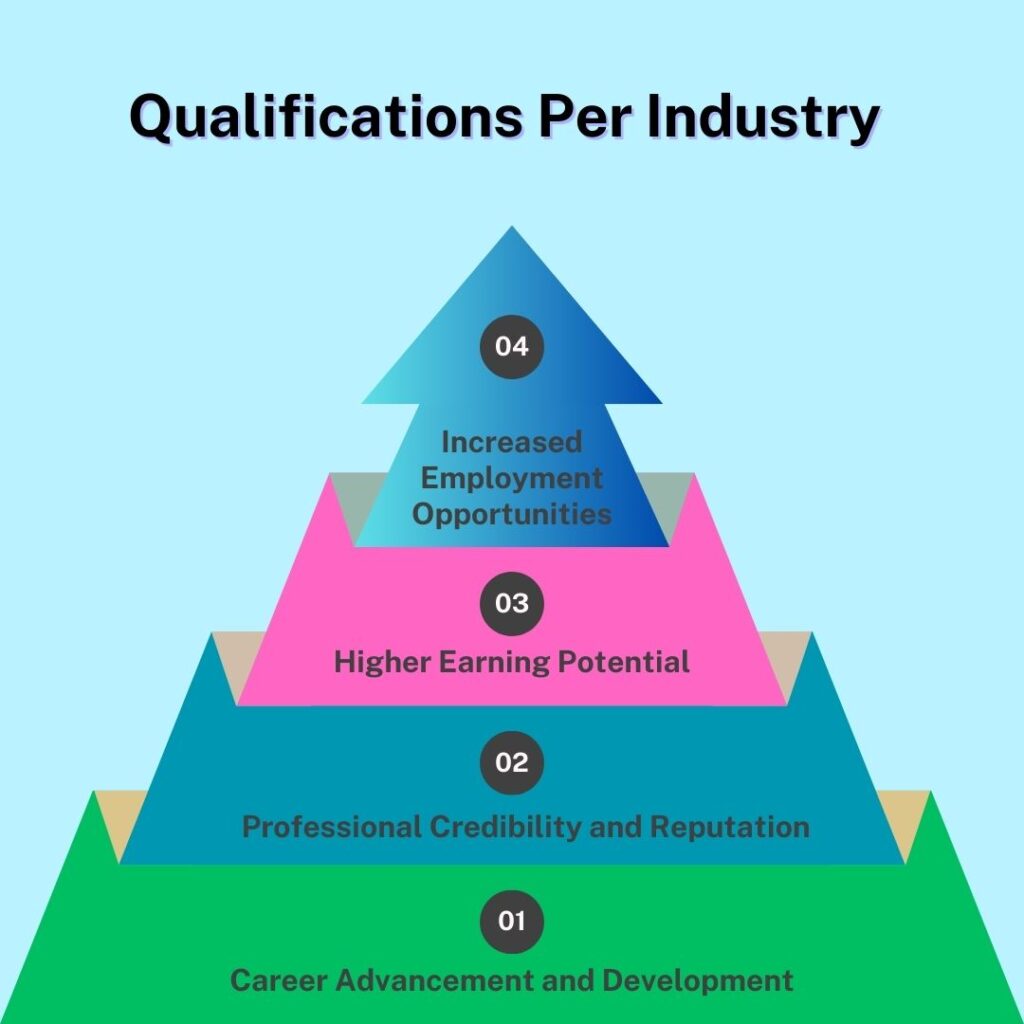
Qualifications per Industry
In retail, I know that strong communication skills and basic math are often needed. Customer service experience is a plus.
For medical roles, I’ve found that some basic medical knowledge or certifications may required. HIPAA training is often served on the job.
In tech fields, I’ve seen that familiarity with specific software or programming languages can be helpful. Many companies offer training for entry-level positions.
Freelance work often requires a portfolio showcasing your skills. I know that building this can take time, but it’s valuable for landing jobs.
Customer service roles typically need strong problem-solving and communication abilities. I’ve found that patience and a positive attitude are key in these positions.
Legal and Ethical Considerations
Part-time entry-level jobs come with important legal and ethical aspects. I’ll explain key regulations and worker rights you should know about.
Understanding Employment Regulations
Part-time workers have specific legal protections. I know the Fair Labor Standards Act sets rules for minimum wage and overtime pay. Many states have their own laws too.
Some key points:
- Employers must pay at least minimum wage
- Overtime pay applies after 40 hours per week
- Equal treatment is required for part-time and full-time workers
Child labor laws limit hours and types of work for teens. I’ve seen age restrictions vary by industry. Safety regulations protect all workers from hazards.
Employers need to follow anti-discrimination laws in hiring and treatment of part-time staff. This covers factors like race, gender, age, and disability.
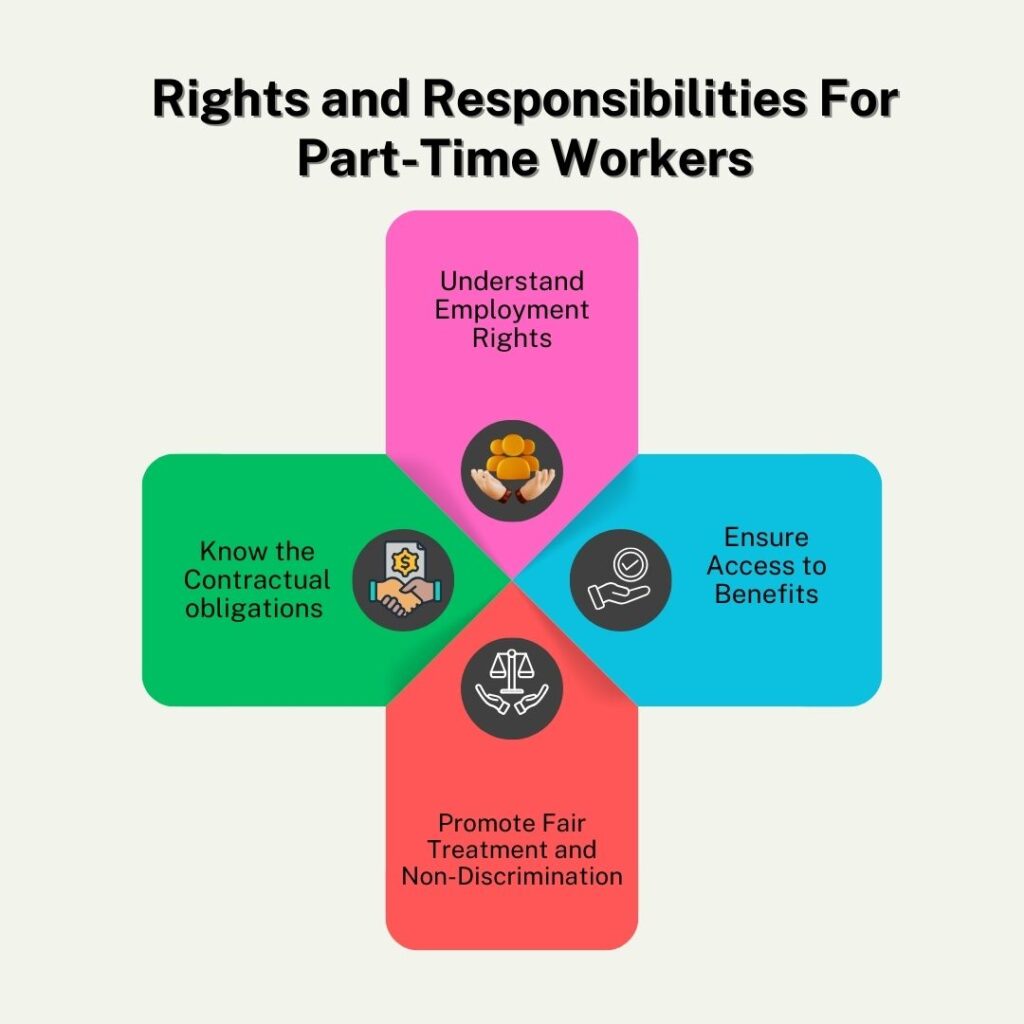
Rights and Responsibilities of Part-Time Workers
As a part-time worker, I have both rights and duties. My rights include:
- Fair pay and timely paychecks
- Safe working conditions
- Freedom from harassment and discrimination
- Access to certain benefits, if eligible
My responsibilities involve:
- Following company policies
- Meeting job performance standards
- Being honest and ethical
- Respecting confidentiality
I’m entitled to breaks as required by law. Some places offer paid time off to part-timers. I should check my specific job terms.
If issues arise, I can file complaints with HR or government agencies. Whistleblower laws may protect me if I report violations.
Frequently Asked Questions
Job seekers often have questions about part-time entry-level positions. I’ll cover key topics like finding remote work, student-friendly jobs, high-paying industries, and strategies for landing positions with no experience.
1. How can I find part- time entry level jobs that are remote?
I recommend searching job boards that focus on remote work. Sites like FlexJobs and We Work Remotely list many part-time remote opportunities. I also suggest setting up job alerts on LinkedIn and Indeed with keywords like “remote” and “entry-level.”
Networking can be helpful too. I’ve found that reaching out to contacts in industries that often hire remote workers can lead to job leads.
2. What are the best part-time jobs for students with no experience?
Retail and food service jobs are often good options for students. These roles typically offer flexible schedules and don’t require prior experience.
I’ve seen many students find success with on-campus jobs like library assistant or tour guide. Virtual tutoring and online customer service roles can also work well around class schedules.
3. Are there particular industries known for high-paying part-time entry level positions?
The tech industry often offers well-paid part-time roles, even at entry-level. I’ve noticed that data entry, tech support, and digital marketing positions can pay above average.
Healthcare is another field with higher-paying part-time jobs. Medical scribes and pharmacy technicians, for example, can earn competitive wages without extensive experience.
4. How can one secure an entry level job with no prior experience?
I advise focusing on transferable skills from coursework, volunteer work, or extracurricular activities. Highlighting these skills in your resume and interviews can show your potential value to employers.
Internships and apprenticeships are great ways to gain experience. I also recommend creating a portfolio showcasing relevant projects, even if they’re personal or academic.
5. What skills are typically required for remote entry level positions?
Strong communication skills are crucial for remote work. I’ve found that employers often look for candidates who can write clearly and use video conferencing tools effectively.
Time management and self-motivation are also key. Remote workers need to stay productive without direct supervision. Basic tech skills, like proficiency with common software and troubleshooting abilities, are usually necessary too.
6. What strategies can be employed to search for entry level positions that offer immediate start dates?
I suggest using job search filters for “immediate hire” or “urgent” positions. Temp agencies and staffing firms often have roles that need to be filled quickly.
Networking can be effective here too. I’ve seen people find quick-start jobs by letting their contacts know they’re available immediately. Checking company websites directly for “urgent hire” postings can also yield results.