
Making Money with Affiliate Marketing: A Step-By-Step Guide
Making money with affiliate marketing is one of the most accessible ways to start an online business. I’ve seen countless people turn their passion for sharing products into a steady income stream. By promoting other companies’ products or services, you can earn commissions ranging from a few dollars to thousands per sale without creating your own products.

Getting started with affiliate marketing requires minimal upfront costs and technical skills. I recommend beginning with a topic you know well and creating helpful content around it. Many successful affiliate marketers start by launching a simple website with 10-12 quality articles before reaching out to potential affiliate partners.
The key to success in affiliate marketing is building trust with your audience through honest recommendations. I focus on promoting products I personally use and believe in. This authentic approach helps create lasting relationships with readers while generating consistent income through affiliate sales.
Key Takeaways
- Start with quality content focused on topics you know well before seeking affiliate partnerships
- Choose products you personally use and trust to build authentic connections with your audience
- Focus on providing value first and the affiliate revenue will follow naturally
Understanding Affiliate Marketing
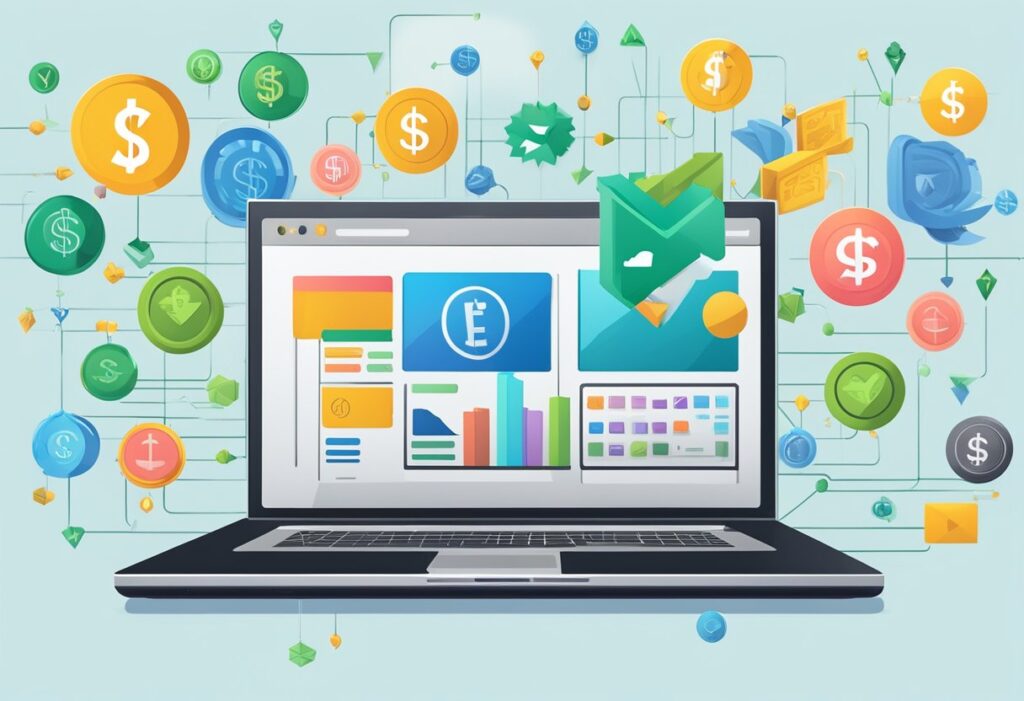
Affiliate marketing lets me earn money by promoting other companies’ products and services. When someone buys through my unique referral link, I get a commission from that sale.
I find affiliate marketing appealing because it requires minimal upfront investment. I don’t need to create products or handle inventory – I just connect buyers with sellers.
There are three key players in affiliate marketing:
- The merchant: Creates and sells the product
- The affiliate: Promotes the product (that’s me!)
- The customer: Buys the product through my link
I earn money in different ways as an affiliate:
- Pay per sale (most common)
- Pay per lead
- Pay per click
Starting with affiliate marketing is straightforward. I pick products I believe in, sign up for merchant programs, and create content to promote them. This could be through a blog, social media, email lists, or videos.
I need to be patient and consistent. While some affiliates earn substantial income, it takes time to build trust with an audience and generate steady sales. I focus on providing genuine value rather than pushing aggressive sales tactics.
The best part is I can work on affiliate marketing anywhere with internet access. It gives me flexibility while building multiple income streams from different products and programs.
How to Choose the Right Affiliate Program
Picking a profitable affiliate program requires carefully evaluating three critical factors – the commission structure, how well the products match your audience, and the quality of support provided to affiliates.
Commission Structures
I always check the payment details before joining any program. Most programs offer either cost-per-sale (CPS) or cost-per-action (CPA) commission models.
CPS programs pay a percentage of each sale, typically ranging from 5% to 50%. Amazon Associates pays around 3-10%, while digital product programs like Fiverr offer up to $150 per sale.
CPA programs pay a fixed amount when visitors complete specific actions like signing up or requesting a demo. These often have higher payouts but lower conversion rates.
I make sure to verify:
- Payment thresholds and schedules
- Cookie duration length
- Commission tiers and bonuses
- Payment methods offered
Product Relevance
I focus on products that align with my audience’s interests and needs. This increases the likelihood of conversions and builds trust with my readers.
The products must solve real problems my audience faces. For example, if I run a photography blog, camera gear and editing software make more sense than random unrelated items.
Quality matters too. I only promote products I’ve tested or thoroughly researched. Poor quality products hurt my reputation and lead to refunds.
Affiliate Support and Resources
Good programs provide marketing materials and tools to help me succeed. I look for:
- High-quality product images
- Pre-written email templates
- Banner ads in various sizes
- Affiliate tracking dashboard
- Performance reports
Training resources are valuable too. The best programs offer:
- Getting started guides
- Marketing strategy tips
- Regular affiliate newsletters
- Responsive support team
I check if they have an active affiliate community or Facebook group where I can connect with other marketers.
Setting Up Your Affiliate Marketing Platform
A strong digital presence across multiple channels creates more opportunities to connect with potential customers and earn commissions. The right mix of content, social engagement, and email outreach helps maximize affiliate revenue.
Building a Content-Rich Website
I recommend starting with a self-hosted WordPress site using a fast, mobile-friendly theme. Choose a domain name that reflects your niche and install essential plugins for SEO and affiliate link management.
Create detailed product reviews, comparison posts, and how-to guides that naturally incorporate affiliate links. Focus on solving reader problems rather than just promoting products.
Use clear headings, short paragraphs, and plenty of white space to make content easy to scan. Include original photos, videos, or screenshots to boost engagement.
Leveraging Social Media
I focus on 2-3 platforms where my target audience spends the most time. Pinterest works well for visual niches like fashion or home decor, while Twitter suits tech products.
Share helpful tips and authentic experiences with products. Mix promotional posts with valuable content using the 80/20 rule – 80% informative, 20% promotional.
Build genuine connections by responding to comments and joining relevant groups. Use tracking links to measure which platforms drive the most affiliate sales.
Email Marketing Strategies
I start by offering a valuable lead magnet like a checklist or guide to collect email addresses. Set up an automated welcome sequence introducing yourself and sharing useful content.
Segment your list based on interests and behaviors. Send personalized product recommendations and exclusive deals to the right subscribers.
Keep emails brief and focused on one main call-to-action. Test different subject lines and sending times to optimize open rates.
Include both text and HTML versions of affiliate links for better deliverability. Monitor click-through rates to refine your email marketing approach.
Creating High-Quality Content
Quality content forms the foundation of successful affiliate marketing. I’ve found that engaging content combined with proper optimization and visual elements drives more conversions and builds trust with readers.
Content that Converts
I focus on creating detailed product reviews that solve specific problems for my readers. Each review includes real examples of how the product helped me or others achieve results.
My most successful content answers common questions before readers even ask them. I include pricing comparisons, pros and cons lists, and specific use cases.
I always disclose my affiliate relationships clearly and maintain honesty in my recommendations. This builds trust and increases conversion rates.
SEO for Affiliate Marketing
I target long-tail keywords with buying intent, like “best [product] for [specific need]” or “[product] vs [competitor].”
Keywords I choose have:
- Monthly search volume: 100-1000
- Low competition score
- Clear purchase intent
- Relevance to my niche
I optimize my content with proper heading structure, meta descriptions, and internal linking. My URLs remain clean and keyword-focused.
Using Multimedia Effectively
I include high-quality product photos and video demonstrations in my content. Screenshots of product features help readers understand key benefits quickly.
My visual content checklist:
- Custom product photos
- Comparison charts
- Step-by-step tutorials
- Video reviews
- Infographics for complex features
I compress all images to maintain fast page loading speeds while keeping quality high.
Driving Traffic to Your Affiliate Offers

Getting targeted traffic to your affiliate offers requires a mix of different strategies. I’ve found success using organic methods, paid campaigns, and strategic partnerships to reach potential customers.
Organic Traffic Generation
Search engine optimization (SEO) stands as my top organic traffic source. I focus on creating valuable content around specific keywords my target audience searches for.
Social media has been crucial for my affiliate success. I post regularly on platforms where my audience spends time, like Instagram and Pinterest for visual products, or LinkedIn for B2B offers.
Email marketing gives me direct access to interested prospects. I build my list through content upgrades and free resources related to my affiliate products.
I’ve found content marketing especially effective. My blog posts, videos, and podcasts help establish trust while naturally introducing affiliate products.
Paid Advertising Campaigns
Facebook Ads let me target specific demographics and interests. I start with small daily budgets ($10-20) to test different ad sets before scaling successful campaigns.
Google Ads brings in buyers with high purchase intent. I bid on keywords directly related to the products I promote.
Key paid traffic metrics I track:
- Cost per click (CPC)
- Return on ad spend (ROAS)
- Conversion rate
- Click-through rate (CTR)
Collaborations and Partnerships
Guest posting on relevant blogs helps me tap into established audiences. I choose sites that align with my affiliate products and provide real value to readers.
Joint ventures with complementary businesses multiply my reach. I partner with non-competing brands to cross-promote our offers.
Creating co-branded content with other affiliates has worked well. We share resources and audiences while maintaining our unique perspectives.
Podcast and YouTube channel appearances give me direct exposure to engaged audiences. I focus on sharing valuable tips while naturally mentioning affiliate products.
Optimizing for Conversion

To boost your affiliate income, you need to focus on getting more visitors to take action. Small improvements in conversion rates can lead to big gains in revenue.
Landing Page Optimization
I focus on creating clean, professional landing pages that load fast and work well on all devices. The headline must grab attention and clearly state the main benefit.
I place my most important content above the fold, where visitors see it first without scrolling. Clear, compelling calls-to-action stand out through contrasting colors and smart placement.
My product descriptions highlight specific benefits rather than just features. I include social proof like testimonials and reviews to build trust.
Images and videos help showcase products effectively. I keep forms short and only ask for essential information.
A/B Testing
I test different versions of my landing pages to find what converts best. This includes testing headlines, images, button colors, and page layouts.
I change only one element at a time to clearly measure its impact. Testing shows me which changes actually increase sales, not just what I think might work.
Popular elements to test:
- Headlines and subheadings
- Call-to-action button text and colors
- Product images and videos
- Price display and special offers
- Page layout and design
Understanding Analytics
I track key metrics to spot problems and opportunities in my conversion funnel. Bounce rate shows if visitors leave immediately, while time on page indicates engagement.
Essential metrics to monitor:
- Click-through rate
- Conversion rate by traffic source
- Average order value
- Cart abandonment rate
- Mobile vs desktop performance
I use heatmaps and session recordings to see how visitors interact with my pages. This reveals if people find what they need or get stuck somewhere.
Google Analytics helps me identify which traffic sources bring the most valuable visitors.
Maintaining Legal Compliance

Following legal rules in affiliate marketing protects my business and builds trust with customers. Proper disclosures, data protection, and respect for intellectual property form the foundation of a compliant affiliate program.
Disclosure Requirements
I must clearly tell readers about my affiliate relationships. The FTC requires me to disclose when I earn commissions from links or recommendations.
My disclosures need to be visible and easy to understand. I place them near the top of posts and before any affiliate links.
Example disclosure: “I earn a commission from purchases made through links in this post.”
Privacy Policies
I need a privacy policy that explains how I collect and use visitor data. This includes tracking cookies from affiliate networks and any personal information I gather.
My privacy policy must list:
- What data I collect
- How I use the data
- Who has access to it
- How visitors can opt out
I update my privacy policy regularly to reflect changes in my data practices.
Intellectual Property Considerations
I can’t use brand logos or copy without permission from the companies I promote. Many affiliate programs provide approved marketing materials.
I create my own unique content and product descriptions rather than copying from merchant websites.
When using images:
- I verify I have rights to use them
- I credit sources properly
- I respect trademark guidelines
I keep records of all permissions and agreements with affiliate partners.
Scaling Your Affiliate Marketing Business

Growing an affiliate marketing business takes strategic planning and smart resource allocation. Success comes from spreading risk across multiple income streams while building systems that work without constant attention.
Diversifying Affiliate Products
I always recommend promoting products across different niches and price points. This protects my income if one product or category underperforms.
High-ticket items ($500+) bring bigger commissions, but I balance these with lower-priced products that sell more frequently.
I test new products with small campaigns before scaling up successful ones. Some winning combinations I’ve found:
- Digital courses + related physical products
- Software subscriptions + training materials
- Seasonal products + evergreen offerings
Building a Brand for making money with affiliate marketing
My brand helps me stand out and build trust with my audience. I focus on creating helpful content that solves specific problems.
I use consistent messaging across all platforms:
- YouTube videos
- Blog posts
- Social media content
- Email newsletters
Professional branding elements like a logo, color scheme, and writing style make my affiliate business look more credible.
Outsourcing and Automation
I use tools and services to handle repetitive tasks. This frees up my time to focus on strategy and growth.
Key areas I’ve automated:
- Content scheduling
- Email sequences
- Social media posting
- Performance tracking
I hire freelancers for:
- Content writing
- Graphic design
- Technical maintenance
- Video editing
My goal is to create systems that run smoothly with minimal daily input from me.
Evaluating Your Success

Measuring performance helps me identify what works and what needs improvement in my affiliate marketing efforts. I track specific metrics to guide my strategy and maximize earnings.
Key Performance Indicators
I focus on three main metrics to gauge my affiliate marketing success: click-through rate (CTR), conversion rate, and revenue.
My CTR shows how many people click my affiliate links compared to how many see them. A 2-3% CTR is a good benchmark for most niches.
Conversion rate tells me what percentage of clicks lead to sales. I aim for at least a 1% conversion rate across my campaigns.
Revenue tracking gives me the clearest picture of my earnings. I monitor both total revenue and revenue per click to optimize my campaigns.
Profitability Assessment
I calculate my net profit by subtracting all expenses from my affiliate commissions.
Common expenses I track:
- Ad spend
- Website hosting
- Content creation
- Marketing tools
- Training costs
I use a simple profit margin formula: (Revenue – Expenses) / Revenue x 100
A healthy profit margin in affiliate marketing ranges from 30-70% depending on the niche and promotion methods.
Strategies for Growth
I review my performance data monthly to find opportunities for improvement.
Top-performing strategies I implement:
- A/B testing different promotional content
- Targeting higher-commission products
- Building email lists for repeat sales
- Optimizing landing pages
I invest more resources in marketing channels that show the best ROI. When a campaign performs well, I scale it up gradually while maintaining profitability.
Testing new affiliate programs and products helps me diversify my income streams.
Frequently Asked Questions

Making money with affiliate marketing requires selecting the right products, building an audience, and creating valuable content. Most affiliates earn between $1,000-$10,000 monthly by following proven strategies and staying consistent.
1. How can beginners start making money with affiliate marketing?
I recommend starting with a specific niche you’re passionate about. Pick 1-2 products you personally use and trust.
Create a simple blog or YouTube channel to share honest reviews and helpful tips about these products.
Focus on solving real problems for your audience rather than just pushing sales. This builds trust and leads to more conversions.
2. What are effective strategies for making money with affiliate marketing on Amazon?
I find product comparison articles work really well with Amazon Associates. Create detailed reviews of similar items in your niche.
Use keyword research to find products people are actively searching for.
Add helpful buying guides that explain key features customers should consider before making a purchase.
3. Is it possible to make a significant income, like $10,000 a month, through affiliate marketing?
Yes, but it takes time and consistent effort. Most successful affiliates spend 6-12 months building their platform before seeing significant income.
Top affiliates often diversify across multiple products and platforms to reach $10,000+ monthly.
The key is creating high-quality content that serves a specific audience need.
4. What examples exist of successful affiliate marketing campaigns?
I’ve seen tech review sites effectively promote laptops and smartphones through detailed comparison articles.
Fitness bloggers successfully market supplements and workout equipment by sharing genuine transformation stories.
Finance bloggers earn well by promoting credit cards and investment tools through educational content.
5. How much can an average affiliate marketer earn?
Based on current data, average affiliate marketers earn between $1,000 to $10,000 per month.
New affiliates typically make nothing in their first few months while learning and building an audience.
Experienced marketers with established platforms can earn $65,800 or more annually.
6. Can you start affiliate marketing with no initial investment?
Yes, I started with just a free blog and social media accounts. The basic tools to begin are available at no cost.
You can create content using free platforms like WordPress.com or Medium.
The main investment needed is your time to create quality content and learn effective marketing strategies.