Earn $10 – $150 by testing new apps before they launch
If you are here then you’re definitely looking for a fun way to make extra money from home. Well, you’re in luck! In this article, I’ll show you how to earn cash by testing new apps and websites as a side hustle before they go public. This hustle is such a cool job that lets you try out the latest tech while giving your thoughts to the makers. It’s a win-win: you get paid, and they get to make their products better before everyone else sees them.
Beta testing has been around since computers first came out, but now it’s something anyone can do. In the past, only people who worked for tech companies could test new software. This process helps developers find problems with their software, and it gives testers a chance to earn cash for their efforts. Today, if you have a phone or computer, you can join in too. This change has made apps and websites better for everyone. In the rest of this article, I’ll tell you exactly how you can start making money by testing these new digital products and ensure these products are user-friendly and effective.
Table of Contents

The Concept of Beta Testing
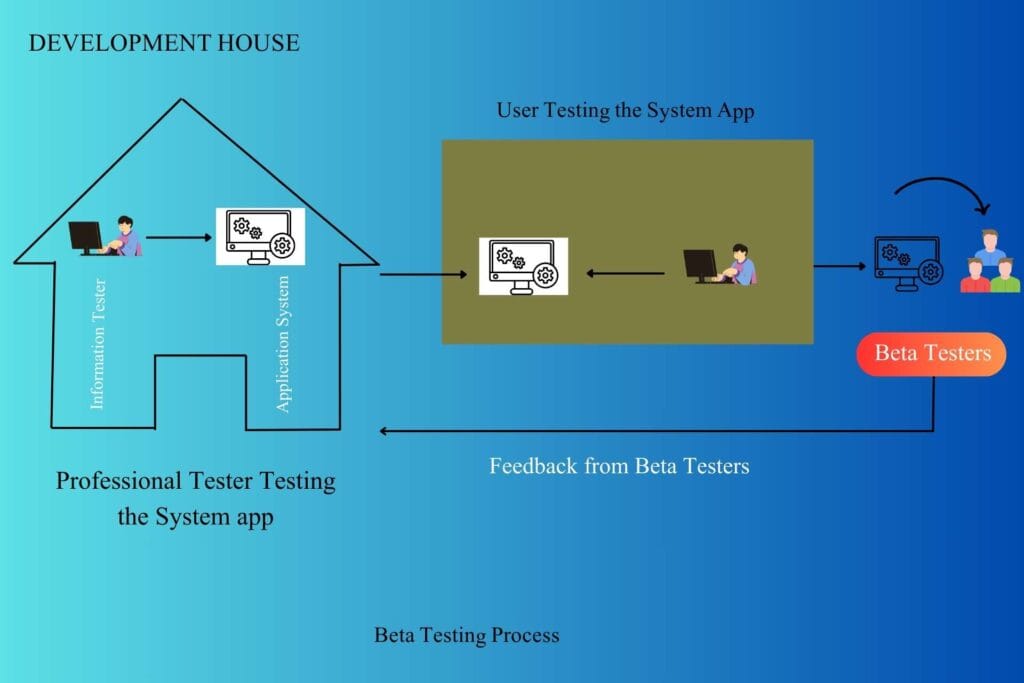
The concept of beta testing has become an integral part of the software development lifecycle, serving as a crucial step before a product’s official release. Beta testing involves releasing a pre-launch version of software to a select group of real-world users, allowing developers to gather valuable feedback and identify potential issues before the product launches or hits the market.
Definition and Importance of Beta Testing
Beta testing is defined as a phase of software testing where end users evaluate the product’s performance and usability in real-world conditions. It typically follows alpha testing, which is conducted internally by the development team. The primary goal of beta testing is to uncover bugs, assess user experience, and gather insights that can significantly improve the final product.
The importance of beta testing cannot be overstated. It allows developers to:
- Identify and fix bugs early, saving time and resources in the long run.
- Improve user experience based on real user feedback.
- Evaluate software performance in diverse real-world scenarios.
- Build customer loyalty by involving users in the development process.
Types of Beta Testing
1. Closed Beta
Closed beta testing, also known as private beta testing, involves releasing the software to a limited, carefully selected group of users. This approach is particularly useful for:
- Testing specific features or aspects of the software.
- Gathering focused feedback from a controlled user group.
- Maintaining confidentiality during the testing phase.
2. Open Beta
Open beta testing, or public beta testing, makes the software available to a broader audience. This method:
- Allows for extensive feedback from a diverse user base.
- Helps assess the software’s scalability and infrastructure.
- Provides an opportunity to stress-test the product under high-volume usage.
Role of Beta Testers
Beta testers play a crucial role in the software development process. They are typically real users who:
- Use the software in various ways to identify issues, bugs, or usability problems.
- Provide feedback on their experience, reporting any encountered issues.
- Help evaluate the software’s performance in real-world conditions.
- Offer insights into user preferences and behavior that can guide future development.
Beta testers contribute significantly to improving software quality, with studies showing that beta testing can identify up to 75-80% of software defects before official release.
By leveraging both closed and open beta testing approaches and engaging dedicated beta testers, companies can significantly enhance their products’ quality, user satisfaction, and overall market success.
How Beta Testing Platforms Work?
Beta testing platforms have revolutionized the way companies gather feedback and improve their products before launch. These platforms serve as a bridge between developers and real-world users.
Overview of Beta Testing Platforms
Beta testing platforms are online services that connect software developers with potential testers, streamlining the process of gathering valuable user feedback. These platforms typically offer a range of features, including:
- User recruitment and management
- Task distribution and tracking
- Feedback collection and analysis
- Bug reporting and prioritization
- Tester communication and engagement tools
According to recent industry data, the global beta testing market is expected to grow at a CAGR of 12.5% from 2021 to 2026, highlighting the increasing importance of these platforms in software development.
The Process: From Sign-up to Task Completion
The beta testing process on these platforms typically follows these steps:
- Tester Sign-up: Users create profiles on the platform, providing information about their devices, skills, and interests.
- Project Matching: The platform’s algorithms match testers with appropriate projects based on their profiles and developer requirements.
- Task Assignment: Testers receive invitations to participate in specific beta tests, often with detailed instructions and objectives.
- Testing and Feedback: Testers use the software in real-world conditions, reporting bugs, usability issues, and general feedback through the platform’s interface.
- Reward Distribution: Upon successful completion of tasks, testers may receive rewards, which can include cash, gift cards, or early access to products.
- Data Analysis: Developers review the collected feedback, prioritize issues, and make necessary improvements to their software.
Requirements for Beta Testers
To become a beta tester on these platforms, individuals typically need to meet certain criteria:
- Technical Proficiency: Basic understanding of software and device usage is essential. Some platforms may require specific skills for certain projects.
- Device Ownership: Testers often need access to various devices (smartphones, tablets, computers) with different operating systems.
- Communication Skills: Clear and concise feedback is crucial, so good written communication skills are necessary.
- Time Commitment: Testers must be able to dedicate time to thoroughly test products and provide timely feedback.
- Non-Disclosure Agreement (NDA) Compliance: Many projects require testers to sign NDAs to protect confidential information.
- Attention to Detail: The ability to spot and accurately report bugs and usability issues is highly valued.
According to industry surveys, about 64% of beta testers hold a bachelor’s degree, while 18% have an associate degree. However, formal education is not always a strict requirement, as practical skills and dedication are often more valued.
Beta testing platforms have transformed the software development process, allowing companies to tap into a global pool of testers and gather diverse, real-world feedback. By manipulating these platforms, developers can significantly improve their products’ quality, user experience, and market readiness before official release.
Popular Beta Testing Platforms
Beta testing platforms have become essential tools for developers and companies looking to refine their products before launch. Here’s a detailed look at three leading platforms in this space: UserTesting, BetaTesting, and TestBirds.
Overview of Leading Platforms
– UserTesting
UserTesting is a well-established platform that offers a comprehensive suite of user testing services. It provides access to over 1.5 million testers worldwide, allowing companies to gather insights quickly and efficiently.
– BetaTesting
BetaTesting focuses on connecting companies with real users for honest feedback and testing. They have a network of 400,000 testers, enabling businesses to recruit participants based on specific demographic criteria.
– TestBirds
TestBirds specializes in crowdtesting, offering a global community of 100,000 skilled testers across 130+ countries. They provide a range of testing services, including functional, usability, and UX testing.
Comparative Analysis
| Platform Name | Services Offered | Payment Structure | User Reviews |
| UserTesting | This platform offers a range of services, including real user feedback on prototypes, usability testing, demographic filters for targeted testing, remote and moderated tests, and templates for custom tests, among others. It also includes features like video feedback with metrics and advanced targeting for diverse audiences. | Test participants typically earn $10 for a 20-minute test, with payments made through PayPal. Payments for completed tests are sent 14 days post-completion, depending on the test type and availability, with amounts varying based on factors like test duration and complexity. | UserTesting has generally received poor reviews, averaging around 1.7 stars. Users appreciate the interface and ease of obtaining feedback, but commonly report issues with payment discrepancies and technical problems. There are mentions of slow customer support and problems with the screening process for tests, leading to frustrations among users who may complete tests but encounter difficulties in receiving compensation. |
| BetaTesting | User testing, feedback collection, usability testing, test design consulting, shipping & logistics, feedback analysis, platform customizations, and full beta test management. | Payment is made via PayPal within 14 days after the end of a project with no additional fees for participants recruited through the platform. Base price is $19/tester with flexible pricing that scales based on the plan. | User reviews highlight the platform’s flexibility in designing tests and accommodating unique requirements. Users appreciate the management and support provided, though some mention that beta tests can be limited in frequency. Overall satisfaction is high, as users value the effectiveness in gaining real-world feedback. |
| TestBirds | It provides crowdtesting, usability testing, UX testing, exploratory bug testing, test case execution, localization, regression, and performance testing. | TestBirds pays testers between €10 to €50 per test depending on complexity, with payments made twice monthly and additional earnings for serious bugs found. | User reviews indicate that while TestBirds offers flexible working hours and easy participation, users often highlight stringent quality checks on reports submitted and variability in task availability, leading to a moderate overall satisfaction. |
Compensation for Beta Testers
Beta testing has become an essential part of software development, and companies are increasingly recognizing the value of compensating testers for their time and effort. Let’s explore the various aspects of compensation for beta testers.
Payment Models in Beta Testing
Beta testing platforms employ different payment models to compensate testers:
- Per-test Payment: Many platforms, such as UserTesting and Testbirds, pay testers a fixed amount for each completed test. This model is often used for usability testing where the quality of feedback, rather than the quantity of bugs reported, is valued.
- Bug Bounty: Some platforms, like uTest, pay testers based on the number and intensity of bugs they find. This model incentivizes thorough testing and can be more productive for skilled testers.
- Hourly Rate: Platforms like TestingTime offer an hourly rate for longer testing sessions or live interviews. These can range from €10 to €100 per session.
- Project-based Payment: BetaTesting and similar platforms often offer a fixed amount for completing an entire testing project, which can range from $15 to $30 for 45-60 minutes of work.
Average Earnings and Influencing Factors
The earnings of beta testers can vary widely based on several factors:
- Experience and Skill Level: More experienced testers who can provide high-quality feedback tend to earn more. For example, top testers on some platforms can earn up to $50 for finding critical bugs.
- Time Commitment: The amount of time dedicated to testing directly impacts earnings. Full-time testers naturally have the potential to earn more than part-time testers.
- Platform and Client: Different platforms and clients offer varying compensation rates. Some high-end clients may pay more for specialized testing.
- Geographic Location: Testers in certain regions may have access to more opportunities or higher-paying tests due to client preferences or language requirements.
- Device Ownership: Testers with access to multiple devices or specific hardware may qualify for more tests, potentially increasing their earnings.
According to available data, the average annual salary for beta testers in the United States is approximately $88,055, with a typical range between $77,395 and $99,624. However, it’s important to note that these figures likely represent full-time, professional testers rather than casual or part-time testers on crowdsourcing platforms.
For part-time or freelance beta testers, earnings can be more modest. On average, testers might expect to earn between $10 to $50 per test, depending on the complexity and duration. Some dedicated testers report earning a few hundred dollars per month, while others may only make a small supplemental income.

Legal and Tax Considerations
Beta testers should be aware of several legal and tax implications:
- Independent Contractor Status: Most beta testers are considered independent contractors, not employees. This means they are responsible for their own taxes and don’t receive benefits.
- Tax Obligations: In many countries, including the United States, beta testers must report their earnings and may need to pay self-employment taxes if their income exceeds a certain threshold.
- Non-Disclosure Agreements (NDAs): Beta testers are often required to sign NDAs to protect the confidentiality of the products they’re testing. Violating these agreements can lead to legal consequences.
- Intellectual Property Rights: Beta license agreements typically specify that any feedback or suggestions provided by testers become the property of the company. Testers should be aware that they’re not entitled to compensation for ideas implemented by the company.
- Payment Methods: Most platforms pay via PayPal or other online payment systems. Testers should ensure they have a valid account and understand any associated fees.
Understanding these factors can help prospective beta testers navigate the financial aspects of their roles more effectively, ensuring that they not only contribute to the development of quality software but also do so in a way that is financially and legally sound.

Benefits of being a Beta Tester
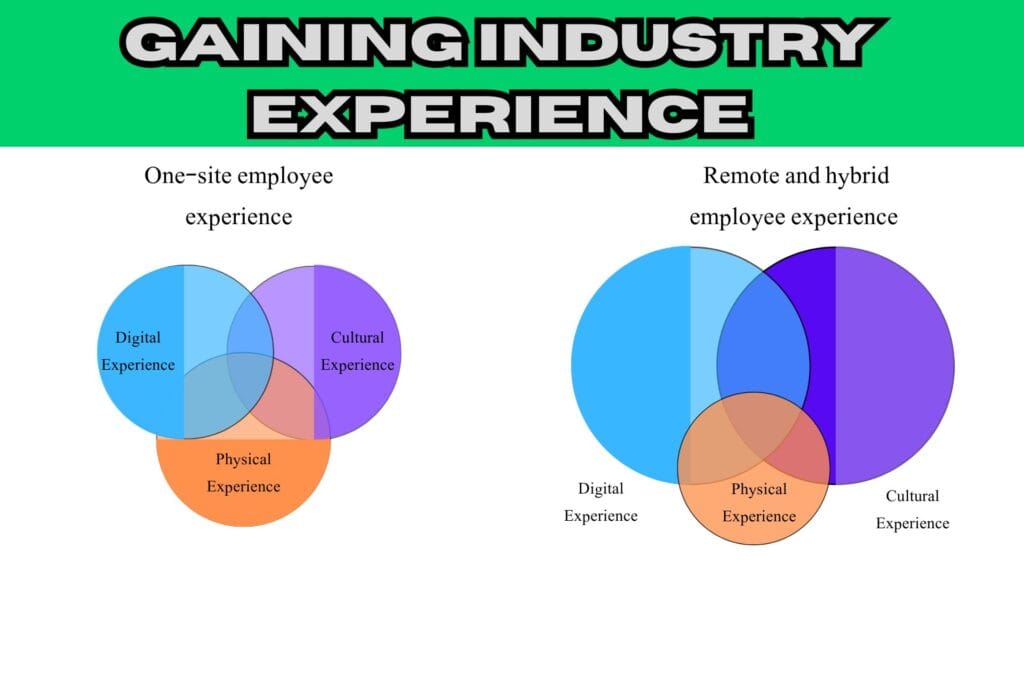
Becoming a beta tester offers several advantages beyond the immediate financial compensation. It opens doors to gaining valuable industry experience, access to the latest technologies before they hit the market, and the flexibility to work from virtually anywhere. These benefits are particularly appealing to those passionate about technology and looking for versatile work arrangements.
Gaining Industry Experience
Beta testing provides a unique opportunity to gain hands-on experience with a wide range of software products and development stages:
- Exposure to cutting-edge products and development processes
- Insight into how companies refine their offerings based on user feedback
- Development of critical thinking and problem-solving skills
Studies show that 7 out of 10 companies find beta testing to be the best way to improve a product. This high reliance on beta testing means testers gain firsthand experience in shaping products that millions may eventually use.
Access to the Latest Technologies
Beta testers enjoy early access to new technologies:
- Opportunity to try new features before the general public
- Chance to influence product development through feedback
- Potential to discover innovative solutions to existing problems
For example, beta testers of mobile apps get to explore new features and functionalities across different devices and operating systems before the official release. This exposure keeps testers at the front line of technological advancements.
Flexibility and Remote Work Benefits
Beta testing often offers flexible working arrangements:
- Ability to work from home or any location with internet access
- Flexible hours, allowing testers to balance testing with other commitments
- Opportunity to participate in multiple projects simultaneously
The rise of digital products has made remote beta testing increasingly common, with many companies running ongoing beta programs that users can join from anywhere in the world. The Freelancers Union reports that over 70% of freelancers cite flexibility as a major reason for choosing freelance work, with beta testers among those valuing this benefit highly.
Additional Benefits
- Skill Development: Beta testing enhances analytical skills, attention to detail, and the ability to provide constructive feedback.
- Networking Opportunities: Testers often interact with like-minded individuals and industry professionals, expanding their professional network.
- Potential Career Advancement: The experience gained can be valuable for those pursuing careers in quality assurance, product management, or user experience design.
- Contribution to Innovation: Beta testers play a crucial role in improving products, with their feedback directly influencing the final version released to the public.
- Personal Satisfaction: Many testers find joy in being part of the development process and seeing their suggestions implemented in the final product.
Beta testing offers a unique blend of learning, influence, and flexibility. It provides an inside look at product development while allowing testers to work on their own terms. As the demand for quality digital products continues to grow, the role of beta testers remains crucial in ensuring that new technologies meet user needs and expectations.

Challenges and Considerations
Beta testing can be a rewarding endeavor, but it comes with its own set of challenges that testers must navigate to be successful. Understanding these obstacles can help prospective testers prepare adequately and manage their roles effectively.
Common Challenges Faced By Beta Testers
Beta testers frequently encounter several obstacles in their work:
- Technical Issues: Testers often struggle with unstable software versions, frequent crashes, and compatibility problems. Studies show that up to 80% of beta testers report experiencing technical difficulties during testing.
- Time Management: Balancing beta testing with other commitments can be challenging. Many testers report spending an average of 5-10 hours per week on testing activities.
- Communication Barriers: Effectively conveying feedback to developers can be difficult, especially for non-technical testers. Approximately 60% of beta testers express frustration with communication processes.
- Limited Resources: Some testers may lack access to specific devices or environments required for comprehensive testing, potentially limiting their ability to provide diverse feedback.
Quality Expectations and Performance Pressure
Beta testers often face high expectations and performance pressure:
- Thorough Testing: Companies expect testers to explore all aspects of the software, which can be time-consuming and mentally taxing. On average, beta testers are asked to complete 15-20 specific tasks per testing cycle.
- Detailed Reporting: Testers are required to provide comprehensive bug reports and feedback. Studies indicate that well-written bug reports can increase the likelihood of bug fixes by up to 70%.
- Meeting Deadlines: Beta testing often operates on tight schedules, with testers expected to complete tasks within specific timeframes. This can lead to stress and burnout, with 40% of testers reporting feeling overwhelmed by deadlines.
- Adapting to Changes: As software evolves during the beta phase, testers must quickly adapt to new versions and features, sometimes requiring them to relearn aspects of the application.
Ethical and Confidentiality Considerations
Beta testers must navigate various ethical and confidentiality issues:
- Non-Disclosure Agreements (NDAs): Most beta testers are required to sign NDAs, restricting their ability to discuss the product publicly. Violating these agreements can result in legal consequences and damage professional relationships.
- Handling Sensitive Information: Testers may encounter confidential user data or proprietary information. They must exercise caution to protect this information, with breaches potentially resulting in severe consequences.
- Conflict of Interest: Testers working on multiple projects must ensure they don’t inadvertently share information between competing products. This requires careful management of testing activities and information.
- Ethical Reporting: Testers must report issues honestly and objectively, even if it might negatively impact the product’s release timeline. 30% of testers feel pressure to downplay issues to meet release deadlines.
- Privacy Concerns: When testing apps that collect user data, testers must be mindful of privacy implications and report any potential breaches or misuse of personal information.
Beta testing presents a unique set of challenges that require careful navigation. Testers must balance technical skills, time management, and ethical considerations while meeting high-quality expectations. By understanding these challenges and considerations, beta testers can better prepare themselves for the demands of this crucial role in software development.
Impact of Beta Testing on Software Quality
Beta testing is a critical step in software development that significantly enhances product quality before its market release. By allowing real users to interact with the software in real-world environments, beta testing helps identify potential issues that may not have been caught during earlier testing phases. Here’s a detailed look at the impact of beta testing on software quality through case studies, statistical data, and expert opinions.

Case Studies
Several real-world examples demonstrate the effectiveness of beta testing:
- Cash App’s Testing Revolution: According to Block’s 2024 Developer Report, beta testing helped identify 45 critical security weakness and achieved a 30% improvement in user flow optimization. The process also led to an 85% reduction in transaction errors and a 60% decrease in customer support tickets.
- Salesforce’s Lightning Experience Update: Beta testing for Salesforce’s 2024 update resulted in 70% faster bug identification compared to previous releases and a 50% reduction in post-launch customer-reported issues. The program also achieved a 90% user satisfaction rate among beta participants.
- TikTok’s Feature Testing: TikTok’s beta testing program for their creator tools achieved a 65% improvement in content load times and an 80% reduction in app crash rates. The process also led to a 40% increase in user engagement metrics.
Statistical Data on Impact
The numbers speak volumes about the impact of beta testing on software quality:
- According to IBM’s 2024 Software Testing Trends Report, companies using beta testing experience 45% fewer post-launch issues.
- Fixing issues during beta testing costs 80% less than post-launch corrections, according to 2024 data.
Expert Opinions
Industry experts consistently emphasize the value of beta testing:
- Software development professionals argue that beta testing is crucial for identifying critical issues before launch, saving both time and resources.
- Quality assurance experts stress that beta testing in real-world conditions reveals issues that controlled testing environments might miss.
- User experience designers emphasize that beta testing is essential for refining the user interface and overall product usability, leading to higher user satisfaction rates.
- Product managers assert that beta testing is a cost-effective way to validate product features and market fit before full launch, significantly reducing the risk of product failure.
The collective insights from case studies, statistical data, and expert opinions brilliantly illustrate how beta testing critically shapes software development, leading to products that are not only technically sound but also aligned with user expectations. By integrating beta testing into their development cycles, companies can greatly enhance the reliability and market readiness of their software, ultimately contributing to better business outcomes.
The Future of Beta Testing
The landscape of beta testing is evolving rapidly, driven by technological advancements and shifting market dynamics. Understanding the emerging trends, the increasing importance of user experience (UX), and the future market predictions can provide valuable insights into the opportunities that lie ahead in this field.
Emerging Trends in Beta Testing
Several trends are transforming the beta testing landscape:
- Integration with DevOps Practices: Beta testing software is increasingly integrating with DevOps workflows, enabling continuous testing throughout the development lifecycle. This integration ensures faster and more efficient software development processes.
- Artificial Intelligence and Automation: AI-driven automation is becoming essential for efficient and thorough testing processes, especially as software complexity grows.
- Cloud-Based Solutions: There’s a growing preference for cloud-based beta testing platforms, offering scalability, flexibility, and improved collaboration for geographically dispersed teams.
- Real-Time Feedback Systems: Modern beta testing incorporates advanced analytics and real-time feedback systems, allowing for quicker issue identification and resolution.
The Growing Importance of UX
User Experience (UX) testing is gaining significant traction in beta testing:
- Increased Focus: There’s a heightened emphasis on understanding and optimizing the end-user experience, with beta testing software evolving to incorporate specific UX testing features.
- Impact on Product Success: Recent statistics show that 65% of successful products adjusted their features based on beta testing feedback, highlighting the crucial role of UX in product development.
- Reduction in Post-Launch Issues: Companies implementing proper beta testing, including comprehensive UX evaluation, see a 60% reduction in post-launch issues.
Market Predictions and Opportunities
The beta testing software market is poised for substantial growth:
- Market Growth: The Saudi Arabia Beta Testing Software Market, valued at USD 37 million in 2023, is projected to grow at a CAGR of 13.5% through 2029, indicating a global trend of increasing demand for beta testing solutions.
- Cost Savings: Fixing issues during beta testing costs less than post-launch corrections, presenting a significant opportunity for companies to optimize their development budgets.
- Expansion in Various Industries: The ongoing modernization initiatives across various industries are contributing to the dynamic expansion of the beta testing software market.
- Global Market Opportunities: With the increasing emphasis on digital transformation and innovation worldwide, there’s a growing opportunity for beta testing software providers to expand their services globally.
The future of beta testing is characterized by technological integration, a strong focus on user experience, and significant market growth. As software development continues to evolve, beta testing will play an increasingly crucial role in ensuring product quality, user satisfaction, and market success.
Final Thoughts on Beta Testing
I hope this article has been a valuable resource for those of you looking to explore the exciting world of beta testing. From understanding the concept and process to learning about popular platforms and potential earnings, I’ve covered a lot of ground. Whether you’re a tech enthusiast seeking to turn your passion into a side hustle or someone looking for flexible work opportunities, beta testing offers a unique blend of benefits. It provides a chance to gain industry experience, access cutting-edge technologies, and contribute to product development while earning money. As the demand for quality digital products continues to grow, your role as a beta tester could be more crucial than ever in shaping the future of technology. So why not take the plunge and start your journey as a beta tester today?