
How to make money as a kid: Top creative tips
Imagine a world where kids aren’t just dreaming about their favorite toys or games, but are actually earning money to buy them themselves. As someone who has helped countless children turn their piggy banks into mini-fortunes, I’m thrilled to share the secrets that have led to so many success stories. In this article, I will guide you step by step through some of the most effective and innovative ways kids can earn money, from traditional methods like chores and lemonade stands to more modern, tech-savvy approaches like creating digital content or managing social media accounts. These are the same strategies that have helped kids I’ve worked with start earning impressive amounts, sometimes even matching their allowances or birthday money.
Get ready for an exciting journey into the world of kid entrepreneurship! We’ll explore everything from digital ventures that strength your tech-savvy skills to creative projects that tap into your artistic side. You’ll learn how to spot money-making opportunities in your neighborhood, harness the power of social media to promote your services, and even turn your hobbies into profitable mini-businesses. This guide is packed with practical tips, inspiring examples, and step-by-step advice to help you start earning your own money, build confidence, and gain valuable life skills. By the time you finish reading, you’ll be bursting with ideas and ready to embark on your own money-making adventure. Who knows? You might just become the next kid entrepreneur success story!
Table of Contents
Traditional Money-Making Methods for Kids
Traditional Money-Making Methods for Kids have been a cornerstone of financial education for generations, teaching valuable life skills while providing young entrepreneurs with their first taste of earning power. Following are some of the time-tested approaches with their benefits explained.
Household Chores
Household chores remain one of the most common ways for kids to earn money within the family unit. According to a 2017 survey, 66% of parents give their children an allowance, with 86% of those believing kids should earn it through chores. This method not only provides financial rewards but also instills a strong work ethic from an early age.
Establishing Routine and Reward Systems
Creating a structured chore system can be highly effective. Parents can set up a tiered pricing structure based on task complexity, with basic tasks for younger children earning $1-$2, while more complex tasks for older children can earn $5 or more. This approach teaches kids about the relationship between effort and reward, while also helping them develop time management skills.
Lemonade Stands and Bake Sales
The classic lemonade stand is often a child’s first business venture. It’s a low-cost venture with potentially high returns – a small container of lemonade mix costing around $3 can make about 32 cups, which could be sold for $1 each, offering an exceptional profit margin.
Learning Basic Business Skills Early On
These simple businesses teach kids fundamental business concepts:
- Supply and demand
- Pricing strategies
- Customer service
- Basic accounting
By setting up a stand, children learn to create a business plan, manage inventory, and handle money – all valuable skills for future attempt.

Lawn Care and Yard Work
Lawn mowing and yard work are excellent options for kids looking to earn substantial money. Depending on the neighborhood and yard size, lawn mowing can earn between $10 and $40 per yard, with each job typically taking 1-2 hours.
Promoting Responsibility and Outdoor Activities
This type of work not only provides a good income but also:
- Encourages physical activity
- Teaches the value of hard work
- Develops a sense of community service
Moreover, it can be a stepping stone to a more formal lawn care business as the child grows older, potentially earning up to $100 per week for regular clients.
Pet Care Services
Pet sitting and dog walking are increasingly popular money-making methods for kids. Pets require constant care and attention, teaching kids the importance of dependability. With many households having pets and busy schedules, there’s a growing demand for these services.
Building Trust and Care Skills
Pet care jobs can earn a child around $50 per week for each dog they walk regularly. Beyond the financial benefits, these roles help kids:
- Develop responsibility
- Learn to follow instructions
- Build empathy and nurturing skills
A study by the University of Kansas found that children who start working with animals at a young age are more likely to develop strong emotional intelligence and caregiving abilities.
Each of these traditional methods not only provides a means for kids to earn money but also plays a vital role in shaping a well-rounded character. They offer early lessons in economics, personal finance, and business, equipping children with the skills they will need to navigate the adult world of work and finance. As they grow and explore these opportunities, kids not only boost their wallets but also their confidence and capabilities, setting the stage for future success.
Creative Entrepreneurial Ideas
Creative Entrepreneurial Ideas for kids offer exciting opportunities to earn money while developing unique skills and fostering innovation. These initiatives go beyond traditional methods, allowing young entrepreneurs to tap into their passions and create truly distinctive businesses.
Crafting and Selling Handmade Items
The handmade market is booming, with global handmade product sales expected to reach $1.2 trillion by 2024. This presents a golden opportunity for creative kids to turn their hobbies into successful businesses.
Fostering Creativity and Business Acumen
Kids can create and sell a wide range of items, from jewelry and accessories to custom artwork and home decor. Platforms like Etsy, which boasts over 4.3 million active sellers, provide an accessible marketplace for young crafters. By selling handmade items, children learn:
- Product development and pricing strategies
- Marketing and photography skills
- Customer service and communication
A successful handmade business can earn anywhere from $50 to $500 per month, depending on the products and effort invested.
Tutoring and Teaching Skills
With the global private tutoring market projected to reach $279.3 billion by 2027, there are plenty of opportunity for knowledgeable kids to share their information.
Leveraging Knowledge to Empower Others
Young tutors can offer services in subjects they excel in, from academic topics to music lessons or sports coaching. This route of entrepreneurship:
- Reinforces the tutor’s own knowledge
- Develops communication and leadership skills
- Builds confidence and empathy
Rates for student tutors typically range from $10 to $40 per hour, depending on the subject and experience level. A dedicated young tutor could potentially earn $100-$400 per month with just a few regular clients.
Car Washing and Detailing
The car wash industry in the US alone is worth over $33 billion, indicating a consistent demand for these services. Kids can tap into this market by offering personalized, eco-friendly car washing services in their neighborhood.
Attention to Detail and Customer Service Skills
This business activity teaches important lessons:
- Understanding of different cleaning products and techniques
- Time management and efficiency
- Building a loyal customer base through quality service
A basic car wash might earn $10-$20, while a full detailing service could command $50-$100 per vehicle. With proper marketing and consistent quality, a young entrepreneur could earn $200-$500 per month during peak seasons.

Organizing and Decluttering Services
The professional organizing industry has seen significant growth, with the US market size reaching $1.1 billion in 2021. This trend presents an opportunity for naturally organized kids to offer their services. Kids can tap into this trend by offering to help neighbors and family members clear out and organize their homes.
Promoting Organizational Skills and Efficiency
Young organizers assist others in organizing and cleaning their spaces:
- Develop problem-solving skills
- Learn to create efficient systems
- Improve their own time management abilities
Rates for organizing services can range from $15 to $50 per hour. A part-time young organizer could potentially earn $100-$300 per month, depending on the number of clients and complexity of projects. Organizational experts like Marie Kondo have popularized this field, demonstrating that cleaning can significantly affect one’s quality of life and mental well-being.
Plant Care and Gardening Assistance
With the growing interest in urban gardening and houseplants, there’s a rising demand for plant care services. By 2030, the worldwide indoor plant market is projected to grow to $26.23 billion, presenting a flourishing opportunity for environmentally conscious children.
Encouraging Environmental Awareness and Care
Young individuals who enjoy plants can provide services like:
- Watering and maintaining indoor plants
- Assisting with garden planting and upkeep
- Providing plant sitting services for vacationing neighbors
This business not only earns money but also:
- Teaches responsibility and consistency
- Increases knowledge about different plant species and care requirements
- Promotes environmental awareness
Plant care services can earn $10-$30 per visit, depending on the number and types of plants. A dedicated young plant caretaker could potentially earn $150-$400 per month with a roster of regular clients.
These creative entrepreneurial ideas not only provide excellent earning opportunities for kids but also foster important life skills, a deeper understanding of various aspects of business, and personal growth. By engaging in these activities, young entrepreneurs can build a strong foundation for future success while exploring their interests and talents.

Technology-Based Opportunities
Technology-Based Opportunities have revolutionized the way kids can earn money in the digital age. These opportunities not only provide financial rewards but also equip young entrepreneurs with valuable skills for the future.
Social Media Management
In today’s digital landscape, social media management has become a crucial skill for businesses of all sizes. Kids with a talent for social platforms can take advantage of this opportunity to earn money while learning about digital marketing.
Understanding Digital Footprints and Brand Management
By managing social media accounts, young entrepreneurs can:
- Learn to create engaging content that resonates with specific audiences
- Understand the importance of consistent brand messaging
- Gain insights into analytics and performance metrics
A study by Hootsuite found that 91% of businesses use social media for marketing purposes, indicating a growing demand for skilled social media managers. Kids can start by managing accounts for local businesses or family friends, potentially earning $15-$50 per hour depending on their experience and the complexity of the tasks.
Content Creation
The content creation industry is booming, with opportunities spanning various platforms and formats.
Harnessing Creativity in a Digital World
Young content creators can explore:
- Video production for platforms like YouTube and TikTok
- Blogging and article writing
- Podcast creation and editing
According to recent statistics, YouTube has over 2 billion monthly active users, and TikTok has surpassed 1 billion active users worldwide. This vast audience presents significant opportunities for kids to monetize their content through ads, sponsorships, and merchandise sales.
For instance, Ryan Kaji, a young YouTuber, earned $29.5 million in 2020 from his channel Ryan’s World, demonstrating the potential for success in this field.
Online Surveys and App Testing
Participating in online surveys and app testing offers kids a straightforward way to earn money while contributing to market research.
Contributing to Market Research as a Minor
This opportunity allows kids to:
- Provide valuable feedback to companies
- Learn about new products and services
- Develop critical thinking skills
Platforms like Swagbucks and Survey Junkie allow users as young as 13 to participate, with potential earnings of $1-$5 per survey. Even more money can be made by app testing; some sites pay $10 to $15 every test.
It’s important to note that kids typically need parental permission to engage in these activities. Additionally, earnings may be limited due to age restrictions and the need to protect young users.
Selling Digital Products
The digital marketplace offers a unique opportunity for kids to create and sell their own products without the need for physical inventory.
Exploring the Digital Marketplace
Young entrepreneurs can create and sell:
- Digital art and designs
- E-books and online courses
- Music and sound effects
Platforms like Etsy, Shopify and Gumroad allow creators to sell digital products, with Etsy reporting that digital downloads accounted for 12% of all sales in 2020. Shopify data shows that many traditional business expenses are eliminated by digital products, making this a very profitable endeavour.
For example, a 16-year-old graphic designer earned over $100k selling digital planners and stickers on Etsy, showcasing the potential of this market.
These technology-based opportunities not only offer financial benefits but also help kids develop a variety of digital literacy skills that are essential in the modern economy. By engaging with these platforms, young entrepreneurs can build a diverse skill set that prepares them for future careers while also meeting the increasing demand for digital skills in the workforce.

Seasonal and Event-Based Ideas
Seasonal and Event-Based Ideas offer unique opportunities for kids to earn money while developing valuable skills and engaging with their communities. These avenues capitalize on specific times of the year and local events, allowing young entrepreneurs to tap into seasonal demands and community gatherings.
Holiday-Specific Services
The holiday season offers a wealth of opportunities for enterprising kids to provide specialized services.
Capitalizing on Seasonal Opportunities
During the holidays, kids can offer services such as:
- Gift wrapping: Charging $5 to $20 per gift, depending on size and complexity.
- Holiday decorating: Helping neighbors set up lights and decorations.
- Snow shoveling: In colder climates, this can earn $20-$40 per driveway.
For instance, during the Christmas season, offering to install lights or decorate Christmas trees can be quite profitable. According to a survey, 66% of parents give their children an allowance, with 86% believing kids should earn it through chores. By offering holiday-specific services, kids can tap into this mindset and earn extra money.
Event Planning and Assistance
Kids with organizational skills can venture into event planning, particularly for children’s parties or small community gatherings.
Developing Organizational and Event Management Skills
Event planning allows kids to:
- Learn budgeting and time management
- Develop communication and negotiation skills
- Enhance creativity in theme development and decoration
A study found that empowering kids with skills like event planning boosts their self-confidence and encourages them to follow their dreams. To get started, kids can use simple event planning tools, like printable worksheets, to organize details such as date, time, venue, guest list, food, decorations, and activities.
Farmers Markets and Craft Fairs
Participating in local farmers markets and craft fairs provides an excellent platform for kids to sell their handmade goods and learn about entrepreneurship.
Participating in Local Economies and Community Events
The Children’s Entrepreneur Market, which started with just 3 locations in Utah in 2017, has since expanded to 102 markets across 24 states, involving over 14,500 young suppliers. This growth demonstrates the increasing popularity and demand for kid-run market stalls.
Benefits of participating in these events include:
- Learning free market principles
- Developing product creation and pricing strategies
- Enhancing social skills through customer interactions
At these markets, kids aged 5 to 17 can sell anything from handmade crafts to food items. The average earnings can vary, but some young entrepreneurs have reported making $50 to $500 per event, depending on their products and sales skills.
A kids’ marketplace event at a homeschool co-op showed that children not only earned money but also learned valuable lessons about entrepreneurship, creativity, social skills, and the value of money. Parents observed that children became more careful with their spending after earning their own money, demonstrating an important life lesson about financial management.
By engaging in these seasonal and event-based opportunities, kids can earn money while developing crucial skills in business, creativity, and social interaction. These experiences not only provide immediate financial rewards but also lay the foundation for future entrepreneurial success.
Recycling and Upcycling Projects
Recycling and Upcycling Projects offer kids an excellent opportunity to earn money while contributing to environmental sustainability. These projects not only teach valuable lessons about resource conservation but also foster creativity and entrepreneurial skills.
Collecting and Redeeming Recyclables
Collecting and redeeming recyclables is a straightforward way for kids to earn money while making a positive impact on the environment.
Promoting Environmental Sustainability
By participating in recycling efforts, kids can:
- Reduce waste in landfills
- Conserve natural resources
- Save energy
According to the Environmental Protection Agency (EPA), recycling and composting of municipal solid waste saved over 193 million metric tons of carbon dioxide equivalent in 2018. This demonstrates the significant environmental impact of recycling efforts.
Kids can collect recyclables from neighbors, local businesses, or community events. Many states have bottle deposit laws, where consumers pay a small deposit (usually 5 to 10 cents) on beverage containers, which can be redeemed when the container is returned for recycling. In states with these laws, kids can earn a steady income by collecting and redeeming bottles and cans.
Repurposing and Selling Used Items
Repurposing used items is an excellent way for kids to combine creativity with environmental awareness while earning money.
Creativity in Reuse and Value Addition
This project involves:
- Transforming old or discarded items into new, useful products
- Developing crafting and design skills
- Learning about market demand and pricing strategies
The global market for upcycled products is growing rapidly, expected to reach $5.8 billion by 2027. This trend indicates a rising consumer interest in unique, eco-friendly items.
Kids can repurpose items like:
- Old furniture: Remodeling and painting can transform outdated pieces into trendy, vintage-style furniture.
- Clothing: Converting old t-shirts into bags or turning jeans into shorts adds new life to unwanted garments.
- Glass jars: Decorating and repurposing as candle holders or storage containers.
This process not only adds value to otherwise discarded items but also teaches kids about resourcefulness and the principles of sustainable living. Platform like eBay is a great outlet for selling upcycled goods, and it provide young sellers with access to a broad audience that values creativity and sustainability.

Thrift Store Flippin
Thrift store flipping involves purchasing undervalued items from thrift stores and reselling them for a profit.
Exploring Retail and Resale Dynamics
This project teaches kids about:
- Market research and identifying valuable items
- Pricing strategies and profit margins
- Online and offline selling platforms
Key items to look for when doing thrift store flipping include:
- Designer clothing and accessories
- Vintage electronics
- Antiques
- Sports equipment
Kids can use platforms like Facebook Marketplace, or local consignment shops to sell what they’ve found. Some successful flippers report earning $50 to $500 per item, depending on the product .
By engaging in these recycling and upcycling projects, kids not only earn money but also develop crucial skills in environmental stewardship, creativity, and resource management. They learn the impact of sustainable practices on the economy and the environment, gaining skills and knowledge that encourage responsible business practices for the future.
Collaborative Ventures
Collaborative Ventures offer kids unique opportunities to earn money while developing crucial interpersonal and business skills. These projects not only foster teamwork and community engagement but also provide valuable insights into partnership dynamics and family business operations.
Group Fundraising Projects
Group fundraising projects are an excellent way for kids to work together towards a common goal while raising money for a cause or shared interest.
Enhancing Teamwork and Community Engagement
When kids participate in group fundraising projects, they learn:
- The importance of collaboration and division of tasks
- How to communicate effectively within a team
- The value of combining resources and ideas
Research showed that 66% of parents give their children an allowance, with 86% believing kids should earn it through chores. Group fundraising projects extend this concept, teaching kids to work collectively for financial rewards.
Mini-Business Partnerships with Friends
Forming mini-business partnerships allows kids to experience the dynamics of working with peers in a business setting.
Learning the Dynamics of Partnership and Collaboration
Through these partnerships, children can:
- Develop negotiation and compromise skills
- Understand the importance of clear communication in business relationships
- Learn how to divide profits and responsibilities fairly
For instance, kids can team up to offer lawn services like mowing or leaf raking. They might charge $10 for mowing a small yard or $5 for raking leaves. This type of partnership teaches them about pricing strategies, customer service, and profit sharing.
Another example is organizing a neighborhood clean-up. Kids can work together to enlist volunteers, seek sponsorships from local businesses, and collect donations based on the amount of trash collected. Such projects not only raise funds but also contribute to community betterment.
Family Business Involvement
Involving kids in family businesses provides a unique opportunity for them to understand business operations from an early age.
Understanding Family Business Operations and Ethics
By participating in family businesses, children can:
- Gain first-hand experience in various aspects of business management
- Develop a strong work ethic and sense of responsibility
- Learn about financial management and business ethics
Kids can learn a variety of skills, from customer service and sales to bookkeeping and inventory management, depending on the nature of the family business. Research shows that involving children in family businesses can foster stronger bonds and offer valuable real-world learning opportunities. From a young age, they can gain practical skills such as problem-solving, communication, and financial literacy.
Another approach is to introduce children over 16 years old to the family’s legal, accounting, tax, lending, and investment advisors. This exposure provides unique insights into money and business management that other children might not have access to.
These collaborative efforts are more than just ways to make money; they are educational experiences that teach responsibility, enhance interpersonal skills, and provide a practical understanding of the business world. By engaging in these activities, kids not only benefit financially but also grow personally and professionally, building skills that will serve them throughout their lives.
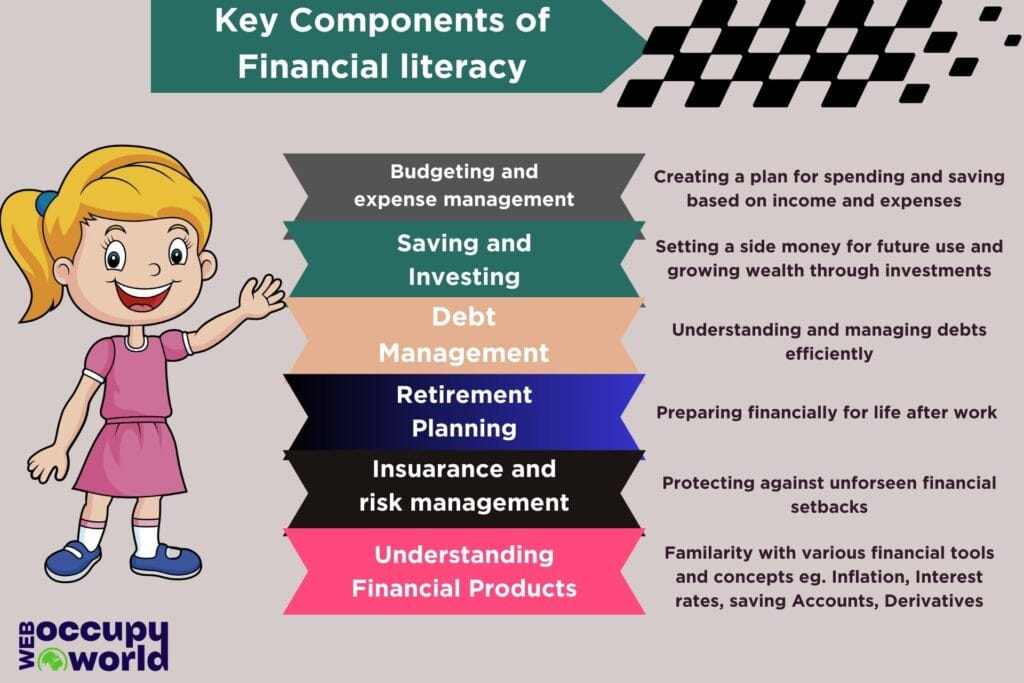
Financial Management and Growth
A key component of both individual and corporate success is financial management and growth, which includes strategies like goal-setting and profit reinvestment. Let’s take a closer look at these important topics.
Setting Financial Goals
Setting financial goals is the foundation of effective financial management. It provides direction and motivation, helping individuals and businesses alike to achieve both short-term and long-term financial success.
Planning for Short-term and Long-term Financial Success
Short-term goals typically focus on immediate needs and can be achieved within a year or two. Examples include:
- Creating an emergency fund
- Paying off credit card debt
- Saving for a vacation
Long-term goals, on the other hand, are more substantial and may take several years or even decades to achieve. These might include:
- Saving for retirement
- Purchasing a home
- Funding a child’s education
Teaching kids to set realistic and measurable goals helps them develop a vision for what they want to achieve and creates a sense of purpose in their saving and spending habits. People who set specific financial goals are more likely to make better financial decisions and achieve financial success.
Budgeting and Saving Strategies
Introducing kids to the concepts of budgeting and saving is essential for effective financial management from a young age.
Practical Financial Management from a Young Age
Kids who earn money through various projects can be taught to budget their earnings by allocating specific percentages to spending, saving, and giving. One popular budgeting method is the 50/30/20 rule, which allocates income into three categories:
- 50% for needs (rent, groceries, utilities)
- 30% for wants (entertainment, dining out)
- 20% for savings and debt repayment
For young adults and children, practical strategies include:
- Creating a simple budget together, identifying income sources and allocating funds for different categories.
- Tracking expenses using a notebook or budgeting app designed for children.
- Setting up an allowance system to provide hands-on experience in managing money.
- Encouraging saving by helping them open a savings account and showing how money can grow over time with interest.
Reinvesting Earnings for Business Growth
Reinvesting earnings is a powerful strategy for fueling business growth, utilizing long-term value building and compound interest concepts.
Principles of Reinvestment and Compound Growth
Compound interest, often called the eighth wonder of the world, can significantly amplify investment growth over time.
When applied to business growth, reinvestment can lead to exponential expansion. Consider this scenario:
“A startup with an initial investment of $100,000 generates a 10% annual return. If these returns are consistently reinvested, the investment value after 20 years would be approximately $672,749.99”
Key benefits of reinvesting profits include:
- Greater control over the business
- Avoiding debt
- Increased flexibility in investment decisions
- Potential for increased business valuation
However, it’s important to balance reinvestment with other financial needs. Reinvesting can fuel growth, but it may also limit resources available for other opportunities and result in slower growth in the short term as compared to external funding.

Safety and Ethical Considerations
It is essential to address safety and ethical consideration as young entrepreneurs engage in a variety of business activities with the objective to secure their success and well-being. In order to promote a secure and ethical business environment — which is necessary for long-term growth — these rules are vital.
Online Safety Precautions
In today’s digital age, online safety is vital for young entrepreneurs. Many parents giving their children an allowance and many kids venturing into online businesses, it’s crucial to implement robust safety measures.
Safeguarding Privacy and Security Online
To protect personal information and business data, young entrepreneurs should:
- Use a business email instead of a personal one for online promotions
- Limit sharing personal details like full names, phone numbers, or home addresses on websites or profiles
- Enable privacy settings on social media accounts
- Be cautious of phishing attempts asking for sensitive information
Implementing strong cybersecurity measures is essential. This includes:
- Password-protecting all devices used for business
- Installing comprehensive security software with anti-virus and firewall protections
- Enabling multi-factor authentication for important accounts
- Backing up important business files in secure cloud storage
By following these precautions, young entrepreneurs can significantly reduce the risk of data loss and protect their online presence.
Dealing with Strangers
As young entrepreneurs expand their businesses, they may encounter strangers online or in person. It’s crucial to teach them how to navigate these interactions safely.
Strategies for Safe Interactions in Business
Young entrepreneurs should:
- Be cautious when interacting with unknown individuals online, especially in chat rooms or private messages
- Avoid sharing personal information with strangers, even if they claim to be potential customers or business partners
- Learn to recognize “safe strangers” like police officers or store employees who can help in emergencies
- Practice assertiveness in setting personal boundaries and saying “no” to uncomfortable situations
Kids should also learn how to handle money transactions securely and be aware of their surroundings at all times to prevent potential risks. Role-playing scenarios can help children prepare for potential encounters with strangers. For instance, practice how to respond if someone asks for personal information or tries to arrange a meeting.
Fair Pricing and Business Practices
Ethical considerations in business extend beyond safety to include fair pricing and honest practices.
Ethical Considerations in Setting Prices and Conducting Business
Young entrepreneurs should focus on:
- Transparency in pricing and product descriptions
- Honesty in marketing claims and customer interactions
- Fair treatment of customers, suppliers, and competitors
For example, a child running a lemonade stand faces an ethical dilemma: use fresh lemons (which cost more) or powdered mix (which is cheaper). This scenario introduces concepts of honesty in labeling and quality in product offerings.
Teaching business ethics early helps shape a child’s character and moral compass. By instilling values such as honesty, integrity, and empathy, we empower young entrepreneurs to make ethical choices throughout their lives.
Establishing a code of ethics can guide decision-making and build trust with customers, employees, and investors. For instance, a young entrepreneur might commit to using environmentally friendly packaging or donating a portion of profits to charity.
By integrating these safety and ethical considerations, young entrepreneur can build sustainable businesses that not only generate profit but also contribute positively to society. These practices lay the foundation for long-term success and a positive reputation in the business world.

Long-Term Benefits
Engaging children in entrepreneurial activities from a young age carries significant long-term benefits that extend beyond the immediate financial gains. These experiences are instrumental in shaping future business leaders, developing a strong work ethic, and establishing a deep understanding of financial responsibility. Here’s how nurturing these skills early on can set a foundation for a prosperous and balanced future.
Developing Entrepreneurial Skills
Early exposure to entrepreneurship cultivates a unique set of skills that are invaluable in any career path.
Building a Foundation for Future Business Leaders
Young entrepreneurs develop:
- Problem-solving abilities
- Creative thinking
- Risk assessment and management skills
- Adaptability in changing market conditions
By starting small businesses, whether it’s a simple lemonade stand or a more complex online venture, children learn to identify market needs, think creatively to solve problems, and innovate. These foundational experiences are crucial for nurturing future business leaders. According to research by the Kauffman Foundation, early entrepreneurial experiences can lead to higher self-confidence and better performance in future business ventures. Kids learn to handle failure as a learning opportunity, understand the importance of flexibility, and gain the confidence to take calculated risks.
Furthermore, research shows that individuals who start businesses as teens are 1.9 times more likely to become entrepreneurs as adults. For instance, Richard Branson started his first business at 16, and Mark Zuckerberg began coding as a preteen – both went on to build multi-billion dollar empires.
Building a Strong Work Ethic
Children who engage in entrepreneurial activities from a young age learn the value of hard work and persistence.
Cultivating Dedication and Persistence
Young entrepreneurs learn:
- The value of hard work and dedication
- How to overcome obstacles and persist through challenges
- Time management and prioritization skills
A survey by Junior Achievement found that 91% of teens believe they are financially responsible, with 76% saying they are prepared to be financially independent after high school. This confidence often stems from early experiences in managing their own businesses or finances.
Consider the case of Mikaila Ulmer, who started her lemonade business at age 4. By 11, she had secured a $60,000 investment on Shark Tank and a distribution deal with Whole Foods. Her success demonstrates how early entrepreneurship can foster dedication and persistence.
Understanding Financial Responsibility
Early business endeavours give people real-world financial management exposure, which increases their financial responsibility and knowledge.
Laying the Groundwork for Fiscal Maturity
Young entrepreneurs gain:
- Practical experience in budgeting and financial planning
- Understanding of profit, loss, and return on investment
- Awareness of the importance of saving and reinvesting
A study by the University of Cambridge found that money habits in children are formed by the age of 7. Early entrepreneurship provides real-world context for these crucial financial lessons.
The long-term benefits of establishing entrepreneurial and financial skills in children are profound. Through entrepreneurship, children transform into well-rounded individuals ready to tackle the complexities of the modern economic landscape.
Empowering the Next Generation of Entrepreneurs
As we wrap up this comprehensive guide, I hope the diverse range of money-making strategies discussed here inspires and equips young minds to take their first steps into the world of entrepreneurship. From engaging in traditional activities to embracing more modern approaches, the opportunities for kids to earn money while learning valuable life skills are boundless. Each method not only offers a way to earn but also helps in developing crucial skills such as responsibility, financial management, and creativity. To all young entrepreneurs reading this: take the first step with confidence! Whether you’re crafting handmade goods, organizing neighborhood events, or running a small online business, remember that every effort counts toward building your skills and independence. However, always balance your entrepreneurial pursuits with education and play — childhood is a time for growth in all areas of life. With creativity, initiative, and the support of parents or mentors, you can turn your ideas into reality while enjoying the journey. The world is full of opportunities waiting for you to explore—go ahead and make your mark!