Writing Activities for Students & kids with Fun Ideas
If you all feel tired of your students as a teacher or kids if you’re a mother grumbling about writing practice like I used to in the past, I have a solution for you. I made a list of fun writing activities to save my day! These innovative ideas transformed my kids life and their classmates as well when I shared the same list with their teachers as well. And I hope they will work for you as well.
Writing is a fundamental skill that creates better readers and critical thinkers. Our carefully well-chosen list of prompts caters to all levels, from kindergarteners to older students, making writing feel more like play than work. By encouraging regular practice, we’re setting students on a path to becoming skilled communicators in school and beyond. Get ready to help your students fall in love with words and discover the joy of creative expression.
Table of Contents
The educational value of writing
The educational value of writing for young learners extends far beyond the simple act of putting pen to paper. It serves as a powerful tool for cognitive development, creative expression, and academic growth, while also playing a crucial role in meeting educational standards across the globe.

Cognitive and Creative Benefits
For young students, writing provides a wealth of cognitive and creative benefits, developing their imagination and critical thinking abilities. According to a study conducted by the University of Washington, children who engage in creative writing show significant improvement in their cognitive abilities, demonstrating enhanced problem-solving skills, better memory retention, and improved concentration.
Creative writing, in particular, stretches children’s imaginations like a muscle. As they craft stories, they constantly face situations that demand unique solutions, helping them develop their problem-solving and analytical skills. Children’s cognitive development is enhanced as a result of the critical thinking, narrative planning, and decision-making skills they acquire when crafting plots, characters, and settings.
Moreover, writing serves as a safe outlet for children to explore and articulate their feelings. By putting their emotions into words, they can better understand and process them, fostering emotional growth and self-awareness. This emotional exploration through writing can be particularly beneficial for children who struggle to express themselves verbally.
Writing in Educational Standards
The importance of writing is reflected in national and international educational standards for K-6 curricula. In the United States, the Common Core State Standards (CCSS) place a strong emphasis on writing skills from the earliest grades. For instance, some standards are designed to develop students’ writing skills progressively, preparing them for more complex writing tasks in higher grades. These skills are critical as they support academic success across all subjects.

Internationally, writing is also recognized as a crucial component of education. The National Council of Teachers of English (NCTE) and International Reading Association (IRA) Standards for the English Language Arts emphasize the importance of writing across different contexts and purposes. These standards state that students should:
- Employ a wide range of strategies as they write and use different writing process elements appropriately to communicate with different audiences for a variety of purposes
- Use your understanding of media strategies, figurative language, genre, language structure, and norms to create, analyze, and discuss print and non-print texts.
Educational experts and policymakers recognize that strong writing skills are critical for students’ academic achievement and lifelong learning. A research project by The University of Sydney found that creative writing workshops for children resulted in:
- A significant improvement in writing quality
- Increased engagement with writing, for longer periods
- Better planning, organization, and idea generation
- Enhanced ability to reflect and self-evaluate
These results highlight the importance of writing in education and its function in producing well-rounded, eloquent students. By providing students with regular opportunities to write, educators can help unlock their potential and set them on a path to academic and personal success.
Categories of Writing Activities
Writing activities for students can be divided into four main categories, each helping children develop different skills and express themselves in unique ways.
Creative Writing
Creative writing lets kids use their imagination to make up stories and express themselves artistically. Some fun activities include:
- Finish the Comic: Kids can complete unfinished comic strips, helping them practice writing dialogue and creating characters.
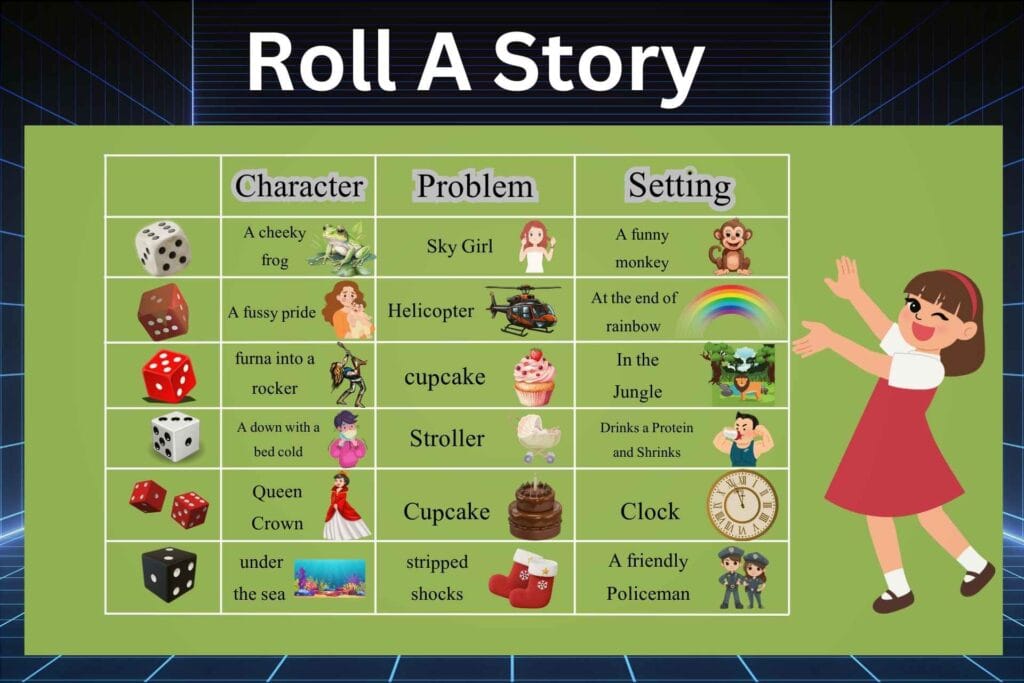
- Roll a Story: This game-like activity uses dice to generate random story elements, making writing feel more like play.
- Blackout Poetry: Students create poems by blacking out words in existing texts, encouraging them to find new meanings in familiar words.
These activities help children think outside the box and enjoy the writing process. By participating in creative writing exercises, children learn to build complex worlds and characters, enriching their emotional and cognitive skills while fostering a love for literature.
Expository Writing
Expository writing teaches kids how to explain things clearly and give information. Some effective activities are:
- How-to/Process Writing: Students write step-by-step instructions for completing a task, helping them learn to explain things clearly.
- Cause and Effect: Kids write about why things happen, improving their ability to connect ideas.
- Compare and Contrast: This activity helps students learn to describe similarities and differences between things.
These exercises help children organize their thoughts and present information logically. They’re important because expository writing is common in many school subjects and real-life situations.
Persuasive Writing
Persuasive writing activities teach kids how to share their opinions and convince others. Here are some engaging exercises:
- Letter Writing: Students can write letters to convince someone (like the principal) to allow a special activity or change a rule.
- Debate Preparation: Kids research and write arguments for a classroom debate, helping them learn to support their opinions with facts.
- Advertisement Creation: Students design ads for a product, learning how to use persuasive language effectively.
These activities help children develop critical thinking skills and learn to express their views clearly. Research shows that persuasive writing helps students understand how writing can influence others’ thoughts and actions.
Narrative Writing
Narrative writing activities help kids learn how to tell stories. Some effective exercises include:
- CSP, 123 Method: This simple formula (Characters, Setting, Problem, followed by three attempts to solve the problem) helps kids structure their stories.
- Story Prompt Handwriting Worksheets: Young students can practice handwriting while developing story ideas.
- Deconstructing Stories: Students can cut up stories and put them back together, learning about narrative structure in a hands-on way.
These activities help children understand how stories work and improve their storytelling skills. Also, these activities enhance students’ ability to sequence events logically and expressively. Reading mentor texts, or example stories, is also a great way to teach narrative writing.
By including a mix of these writing categories in their lessons, teachers can help students become well-rounded writers who can express themselves in many different ways.
Detailed List of Writing Activities
Writing activities can be a fun and educational way to help students develop their skills. Here’s a detailed list of engaging writing activities that cater to different interests and learning styles:
Comic Book Creation
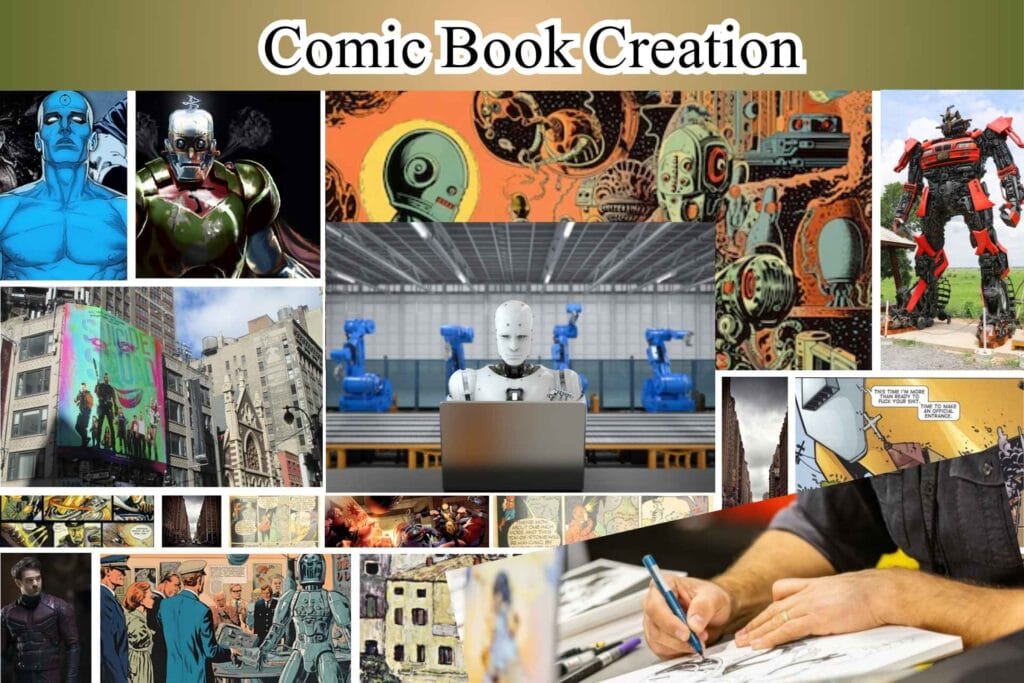
Creating comic books combines visual arts with writing, making it an exciting activity for students who love to draw. This activity encourages them to develop characters and plots, using both images and text to tell a story. It helps improve their storytelling skills and allows them to practice dialogue writing in a creative format.
A study by the University of California found that 75% of students who participated in comic book writing projects showed improved narrative skills.
Collaborative Storytelling
In collaborative storytelling, students work together in groups to write a story. Each student contributes ideas, enhancing cooperation and teamwork. This activity helps students learn how to build on each other’s ideas and develop more complex narratives, fostering communication skills and teamwork.
Research from the National Writing Project shows that collaborative writing activities can increase student engagement by up to 40%.
Interactive Writing Games
Interactive games like “Convince Me” promote critical thinking by challenging students to persuade others through writing. In this game, students must write arguments to convince their peers about a particular topic. Such games make writing fun and teach students how to construct logical arguments.
A survey by Scholastic found that 82% of teachers reported increased student motivation when using interactive writing games in the classroom.
Poetry and Rhymes
Exploring poetry and rhymes introduces students to poetic devices like metaphors, similes, and alliteration. Writing poems encourages language exploration and creativity, allowing students to express their thoughts in unique ways. Poetry activities can also improve vocabulary and enhance understanding of rhythm and sound in language.
The Poetry Foundation reports that students who regularly engage in poetry writing show a 20% improvement in vocabulary skills.
Journaling and Diaries
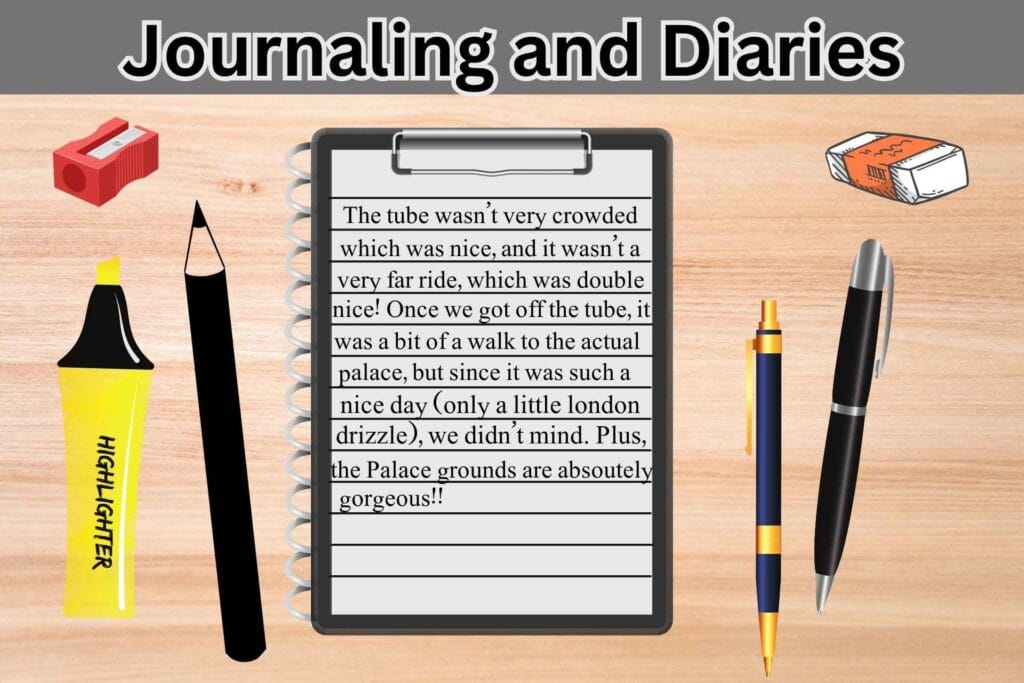
Encouraging students to keep journals or diaries helps them practice daily writing for personal expression. This activity allows them to reflect on their thoughts and experiences, improving self-awareness and emotional intelligence. A study in the Journal of Experimental Psychology found that students who kept daily journals for 15 minutes improved their working memory capacity by 10%. Regular journaling can also boost writing fluency and confidence.
Adaptation and Retelling
In adaptation and retelling activities, students take existing stories and reimagine them in new ways. This exercise cultivates creativity by encouraging students to think about different perspectives or settings for familiar tales. It also helps them understand narrative structure and character development.
The International Literacy Association reports that students who engage in story adaptation activities show a 30% improvement in their ability to analyze and interpret texts.
Script Writing and Role Play
Script writing combined with role play engages students in drama and performance through writing. Students create scripts for plays or skits, and then act them out, which helps improve their understanding of dialogue, and character interaction. This activity also boosts public speaking skills.
A study by the American Alliance for Theatre and Education found that students involved in theatre activities score an average of 65 points higher on the verbal component of the SAT (Scholastic Aptitude Test).
Writing Prompts and Challenges
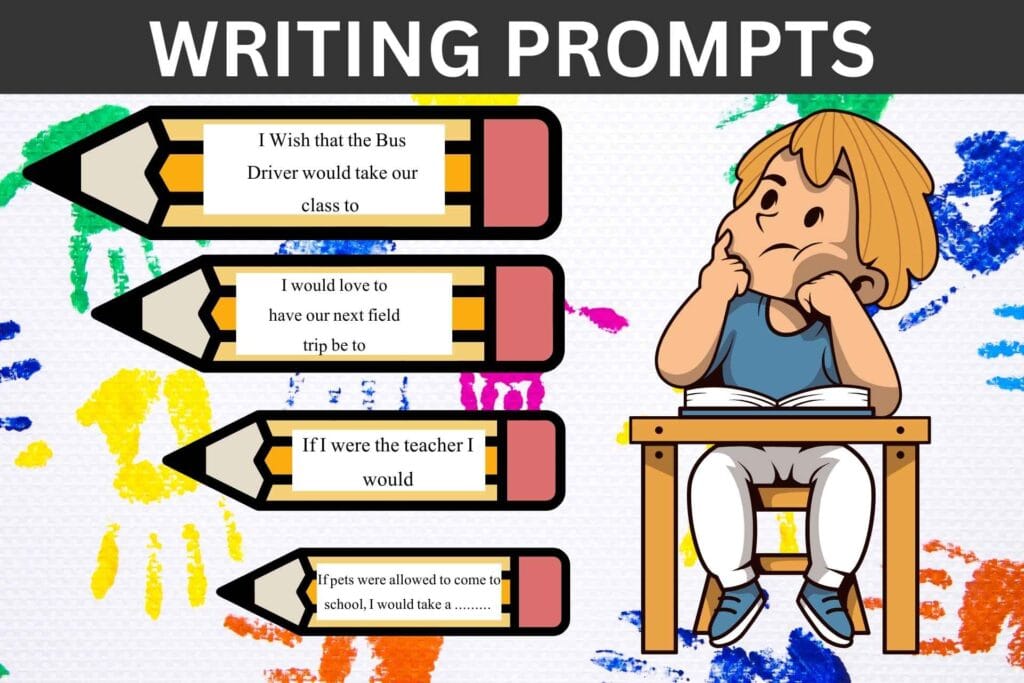
Writing prompts provide starter scenarios that inspire creativity and help overcome writer’s block. Challenges like writing a story in 100 words or creating a poem using specific words encourage students to think creatively within constraints, enhancing problem-solving skills. 88% of educators found that using writing prompts increased student participation in writing activities.
Educational Writing Games
Digital tools and apps make writing enjoyable by turning it into a game. Platforms like Storybird or Write About offer interactive environments where students can create stories or respond to prompts with visual aids. These tools engage tech-savvy learners and make writing more accessible. A report by Common Sense Media found that 78% of teachers believe that digital learning games are effective in motivating lower-performing students.
Incorporating these diverse writing activities into the classroom can significantly enhance students’ writing skills, creativity, and overall engagement in the learning process.
Integrating Writing Activities into the Classroom
Integrating writing activities into the classroom is essential for developing students’ communication skills across various subjects. Here are some effective strategies, and tips for creating a writing-friendly environment, and adapting activities to meet diverse learning needs:
Effective Integration Strategies
Incorporating writing into different subjects can reinforce writing skills and deepen understanding of content. Here are some ways to do this:
- Quick Writes: Use 2-3 minutes writing exercises at the beginning or end of lessons to help students reflect on what they’ve learned. This technique has been shown to improve writing fluency and content retention by 20%.
- Cross-Curricular Writing Projects: Encourage students to write reports or essays that connect subjects like science and social studies. For instance, students can write about the impact of historical events on scientific discoveries, which helps them see connections between disciplines.
- Journaling: Encourage daily journaling in all subjects, students who journal regularly improve their writing skills by 20-30% over a school year.
Creating a Writing Environment
Establishing a useful space for writing can significantly impact students’ engagement and productivity. Consider these tips:
- Dedicated Writing Corner: Set up a cozy area in your classroom with comfortable seating and writing materials. Stock a variety of books, including fiction, non-fiction, and graphic novels, to inspire students. Designated writing space can increase student reading and writing output by up to 25%.
- Word Walls: Display relevant vocabulary and writing prompts on classroom walls. This visual aid can boost students’ use of new words in their writing by 15-20%.
- Technology Integration: Provide access to computers or tablets for digital writing, 78% of students prefer typing over handwriting for longer assignments.
Adapting to Learning Styles
Tailoring activities to diverse learning styles ensures all students benefit from writing exercises:
- Multi-Sensory Approaches: Use tactile materials like sand trays for letter formation or playdough for carving words. This method has been shown to improve letter recognition and writing skills in 85% of students with learning disabilities.
- Visual Aids: Use graphic organizers and charts for visual learners to plan their writing. Visual learners retain information 42% better when using these tools.
- Assistive Technology: Utilize text-to-speech (TTS) and speech-to-text (STT) software for students with writing and learning disabilities, these tools can improve writing quality by up to 50% for students with dyslexia or other learning challenges.
By implementing these strategies, creating a supportive environment, and adapting to various learning styles, teachers can make writing an engaging and effective part of every student’s education journey, benefiting all students regardless of their abilities or preferred learning methods.
Tools and Resources for Effective Writing Instruction
Tools and resources play a vital role in effective writing instruction, helping both teachers and students navigate the writing process more efficiently. Here’s an overview of digital and traditional tools, as well as how technology is impacting writing education:
Digital and Traditional Tools
A mix of digital and traditional resources benefits writing instruction:
- Interactive Whiteboards: 52% of teachers use these in their classes, allowing for collaborative writing exercises and visual demonstrations.
- Graphic Organizers: These visual tools help students plan their writing, breaking down complex ideas into manageable parts.
- Writing Prompts: Physical or digital prompt cards can spark creativity and help students practice different writing styles.
- Classroom Libraries: A well-stocked library with diverse reading materials can increase reading and writing engagement by 25%.
- Online Academic Social Networks: These platforms allow students to brainstorm together, share responses in forums, and create wikis, fostering a collaborative writing environment.
- Digital Peer Review Tools: Platforms like elireview.com enable students to easily share their writing and focus their responses to one another.
- Online Calendars: These help students and teachers collaborate on pacing writing assignments.
Technology in Writing Education
Technology is transforming writing instruction in several ways:
- Google Docs: This collaborative tool allows teachers to provide real-time feedback and track student progress. 40% of teachers have students share their work on platforms like wikis, websites, or blogs.
- Grammar Checkers: Tools like Grammarly help students identify and correct errors, improving overall writing quality.
- Digital Writing Conferences: Allow personalized feedback and instruction, fitting individual student needs and teacher schedules.
- Plagiarism Checkers: These tools help educate students about academic integrity and proper citation.
By incorporating these tools and resources, teachers can create a more engaging and effective writing instruction environment. Moreover, educational apps and games can make the learning process fun, especially for younger students, by incorporating elements of play into the writing practice.
A survey by the Pew Research Center found that 50% of teachers believe digital technologies make it easier to teach writing, highlighting the positive impact of these tools on writing education.
However, it’s important to note that while digital tools offer many benefits, they also present challenges such as the need to educate students about plagiarism and fair use, and the tendency for informal writing styles to creep into formal assignments.
Evaluating Writing Progress
Evaluating writing progress is important for helping students improve their skills. Let’s explore some effective assessment methods and the role of feedback in developing writing abilities:
Assessment Methods
There are several ways to evaluate writing progress:
- Rubrics: These scoring guides help teachers assess writing objectively. Using rubrics can improve student writing performance by up to 30%.
- Peer Reviews: When students evaluate each other’s work, they learn to think critically about writing. 78% of students find peer feedback helpful in improving their writing by research.
- Portfolio Assessment: Collecting a student’s work over time can show progress. This method allows 25% more comprehensive evaluation of writing skills.
- Self-Assessment: Encouraging students to reflect on their own writing helps them become more aware of their strengths and weaknesses.
- Computer-Augmented Systems: Tools like Turnitin Feedback Studio can capture both teacher and computer-generated feedback, providing a comprehensive evaluation
Role of Feedback
Constructive criticism plays a vital role in skill development:
- Targeted Improvement: Specific feedback helps students focus on areas that need work. Students who receive detailed feedback improve their writing 40% more than those who don’t.
- Motivation: Positive feedback can boost confidence. 85% of students report feeling more motivated to write after receiving encouraging comments.
- Skill Transfer: Feedback on one piece of writing can help improve future assignments. Research indicates that engaging in peer feedback can help students revise documents and improve their writing skills
- Critical Thinking: Giving and receiving feedback enhances critical reading and thinking skills. Providing feedback enables students to think critically, apply criteria, and reflect on their own work.
- “Where to Next” Feedback: This type of feedback led to the greatest gains from first to final submission in a study of 3,204 high school and university students.
By using these assessment methods and providing constructive feedback, teachers can help students make significant progress in their writing skills. My goal is not just to evaluate, but to guide students towards improvement.
Overcoming Challenges in Teaching Writing
Teaching writing can be a complex task, with educators facing various obstacles. Some common challenges and strategies to address them, particularly focusing on engaging reluctant writers are as follows:
Common Educational Challenges
- Time Constraints: Teachers often struggle to balance writing instruction with other curriculum demands. 76% of teachers feel pressured to meet assessment criteria, leading to a focus on the end product rather than the writing process.
- Skill Gaps: Many students enter high school with poor foundational writing skills. This creates a challenge for teachers who must address these gaps while also teaching more advanced writing concepts.
- Differentiation: Classrooms often have students with varying writing abilities. Teachers report difficulty in structuring the writing instruction for students at different levels, with 68% citing this as a major challenge.
- Over-reliance on Formulas: Due to time restrictions or a lack of trust in their ability to teach more creative ways, many educators rely on formulaic forms like TEEL or five-paragraph essays.
Strategies to Engage Reluctant Writers
- Authentic Audiences: Student participation can be changed by organizing tasks for real-world publication. For example, having students write letters to school board members instead of traditional essays can increase motivation by up to 40%.
- Voice and Choice: Allowing students to choose their own topics can tap into their passions and expertise. Implementing Genius Hour projects, where students pursue their interests, has been shown to increase writing engagement by 35%.
- Scaffolding and Support: Provide optional scaffolds like graphic organizers and sentence starters. When students can self-select these tools, their writing confidence increases by 25%.
- Focus on Content Over Mechanics: Emphasize the importance of ideas and creativity rather than grammar and spelling in early drafts. This approach has been found to increase student enjoyment of writing.
- Share Time: Give students the chance to share their writing with other students daily. With 82% of teachers reporting higher student engagement, this easy technique can encourage reluctant writers to finish tasks.
Teachers may greatly improve the outcome of their writing instruction and inspire students to fully engage themselves in writing assignments by targeting these typical problems with strategic approaches and customized interventions, which will ultimately result in the development of stronger, more confident writers.

Case Studies
Successful Implementations
Through creative methods, many schools have achieved success in writing instruction:
- Arizona Schools: Implemented the “Step Up to Writing” program, now known as “Write Tools.” Teachers reported improvement in student engagement and writing quality. The program emphasized clear learning intentions, daily writing time, and varied lesson formats.
- New Zealand Schools: A study of successful writing programs found that effective teachers used a range of approaches, including modeling quality writing, making links between reading and writing, and providing authentic reasons to write. These schools saw improvements in student writing confidence and skills.
- Literacy Trust Project Schools: A UK secondary school participating in the “Disciplinary Writing in the Secondary Curriculum” project reported significant improvements in the quality of Year 8 students’ writing, particularly for those with low to middle prior attainment.
Educator Testimonials
Teachers have shared valuable insights on the impact of creative writing activities:
- Classbook Projects: One teacher reported, “Creating a classbook not only refined writing skills but also gave students a sense of accomplishment. There was huge motivation in becoming published authors”.
- Interactive Writing Sessions: A primary school teacher noted that composing written pieces in sessions has been fantastic for younger classrooms. Students better understand the writing process and develop their skills early on.
- Cross-Curriculum Writing: A science teacher shared, “Integrating writing into science lessons through projects like writing letters to local government officials about environmental issues has significantly improved student engagement and writing quality”.
- Writing for Pleasure Approach: A secondary school English teacher implementing this approach stated, “We’ve seen a clear link between high attainment in writing and student enjoyment. Setting authentic writing goals and projects has transformed our students’ attitudes towards writing”.
These case studies and testimonials underscore the effectiveness of innovative writing programs and creative activities in enhancing student engagement, skill development, and overall educational outcomes. By implementing similar strategies, schools can create a more effective and enjoyable writing education experience for their students.
Releasing the Power of the Pen: A Bright Future for Young Writers
I hope this article has helped you showcase the diverse world of writing activities for your kids and students. From comic book creation to interactive writing games, these exercises offer countless benefits, enhancing cognitive skills, boosting creativity, and fostering a love for writing that extends beyond the classroom. The success stories and educator testimonials highlight the transformative power of innovative writing programs, demonstrating significant improvements in student engagement and writing quality.
As we look to the future of writing education, there’s exciting potential in integrating technology, developing adaptive writing programs, and finding new ways to incorporate writing across all subject areas. By embracing these directions, we can continue to change writing instruction, ensuring that future generations are well-equipped with the writing skills necessary for success in our communication-driven world. I hope this article has inspired you to explore and implement these creative writing activities in your classroom or home, helping young writers unlock their full potential.