How to Get Out of Debt using Tested Financial Strategies
Getting out of debt takes dedication and a clear plan. Many people feel trapped by their debt, but with the right strategy, anyone can become debt-free. The fastest way to pay off debt is to list all your debts, create a strict budget, and use the debt snowball method – paying minimum payments on all debts while putting extra money toward your smallest balance first. Learning how to get out of debt effectively may involve seeking advice from financial experts or using resources specifically designed to help manage and overcome debt.

Living with debt creates stress and limits your financial freedom. I’ve helped many people escape debt using proven methods that work for any income level. The key is to start today and stay committed to your debt-free journey.
Key Takeaways
- Create a detailed list of all debts and develop a realistic budget that prioritizes debt payments
- Use the debt snowball method to build momentum by paying off smallest debts first while maintaining minimum payments on others
- Take action to increase income through side jobs while reducing monthly expenses to speed up debt payoff
Understanding Debt
Getting out of debt starts with knowing exactly what you owe and why. I find that most people who successfully eliminate their debt take time to learn about their specific situation first.
Types of Debt
Credit card debt is one of the most common forms, with interest rates often above 20%. This type of debt can grow quickly if I only make minimum payments.
Mortgages are typically the largest debt most people have, but they’re secured by your home and usually have lower interest rates around 3-8%.
Car loans and student loans are also common. Car loans are secured by the vehicle, while student loans often have special repayment options.
Personal loans and medical debt can be tricky to manage. Personal loans might have high interest rates, and medical debt often comes with confusing billing processes.
Common Causes of Debt
Unexpected Expenses:
- Medical emergencies
- Car repairs
- Home repairs
- Job loss
Lifestyle Choices:
- Living beyond means
- Impulse purchases
- Not following a budget
- Using credit cards for everyday expenses
Poor financial education plays a big role too. Many people never learned basic money management skills in school.
The Impact of Debt on Financial Health
High debt payments can eat up monthly income, leaving little for savings or emergencies. This creates a cycle that’s hard to break.
Debt affects credit scores, which can make it harder to:
- Rent an apartment
- Get approved for loans
- Qualify for good interest rates
- Find certain jobs
Mental health often suffers too. I’ve seen how stress about debt can lead to anxiety, depression, and relationship problems.
Interest charges make everything more expensive. A $1,000 credit card balance at 20% APR costs an extra $200 per year just in interest.
Assessing Your Financial Situation
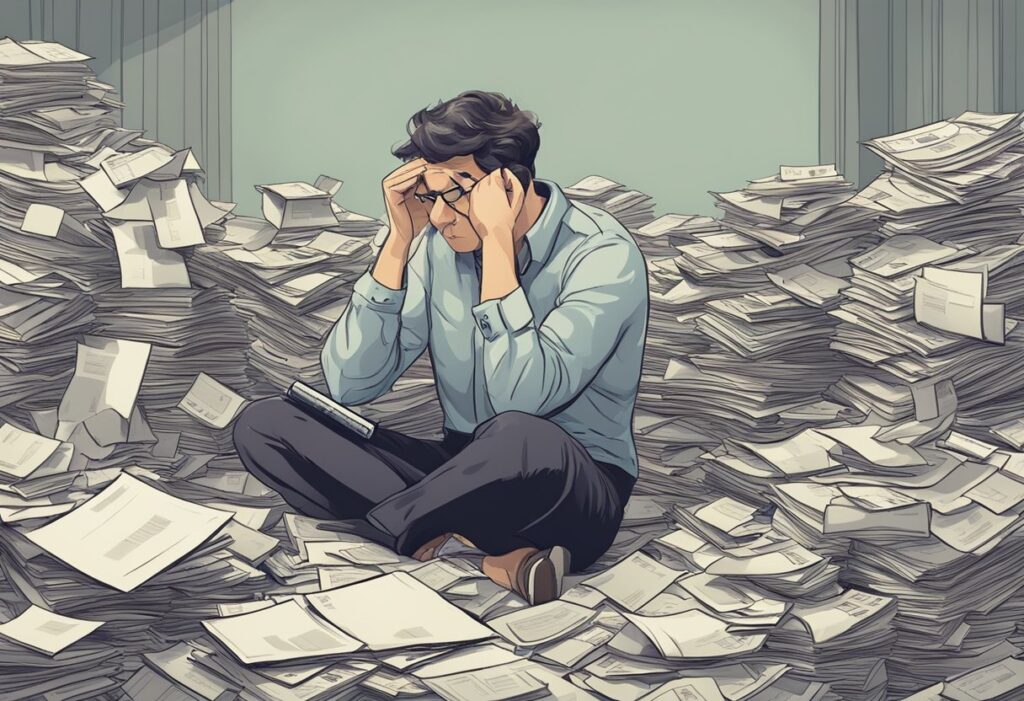
A clear picture of your money helps create a solid plan to get out of debt. Taking stock of your income, expenses, and debts will show you exactly where you stand.
Creating a Budget
I recommend tracking every dollar you spend for 30 days. Write down your monthly income from all sources – salary, side jobs, investments, and other money coming in.
List your essential expenses first:
- Housing (rent/mortgage)
- Utilities
- Food
- Transportation
- Insurance
- Medical costs
Next, track discretionary spending like entertainment, shopping, and dining out. Many free budget apps can help monitor your spending patterns.
I suggest categorizing expenses as “needs” versus “wants” to find areas to cut back. This makes it easier to redirect money toward debt payments.
Determining Your Total Debt
Make a list of every debt you owe:
- Credit card balances
- Personal loans
- Student loans
- Car loans
- Medical bills
- Mortgage
For each debt, note:
- Total amount owed
- Interest rate
- Minimum monthly payment
- Payment due date
I find using a simple spreadsheet helps organize this information. Don’t forget to include any past-due amounts or collection accounts.
Prioritizing Your Debts
Start by paying off debts with the highest interest rates first, while making minimum payments on others. Credit cards often have the highest rates.
Consider the snowball method too – paying off smallest balances first for quick wins. This can help build momentum.
Mark which debts are:
- Urgent: Past due or in collections
- High Priority: High interest rates above 10%
- Lower Priority: Low interest rates or longer-term loans
I recommend keeping secured debts like mortgages and car loans current to protect your assets.
Strategies for Paying Off Debt
Getting free from debt requires a clear plan and proven methods. These strategies can help you take control of your finances and systematically eliminate what you owe.
Debt Snowball Method
I recommend starting with your smallest debt balance first, regardless of interest rates. Pay the minimum on all other debts while putting extra money toward the smallest one.
When you pay off that first debt, take the amount you were paying and add it to the minimum payment of your next smallest debt. This creates momentum as your “snowball” of payments grows larger.
Many people find this method motivating because they see quick wins. Crossing debts off your list can give you the confidence to keep going.
Debt Avalanche Method
I suggest using this method if you want to save the most money on interest. Start by listing your debts from highest to lowest interest rate.
Make minimum payments on everything while putting extra money toward the highest-interest debt. Once that’s paid off, move to the next highest rate.
This approach can feel slower at first since high-interest debts often have large balances. The math works in your favor though – you’ll pay less in total interest over time.
Consolidation and Refinancing Options
I recommend exploring debt consolidation if you’re juggling multiple high-interest debts. This combines several debts into one loan with a single monthly payment.
Look for consolidation loans with lower interest rates than your current debts. Many credit unions and online lenders offer these options.
Balance transfer credit cards can help too. Some offer 0% interest for 12-18 months, giving you time to pay down debt without accruing new interest.
Make sure to read the fine print about transfer fees and what happens when promotional rates expire.
Increasing Your Income
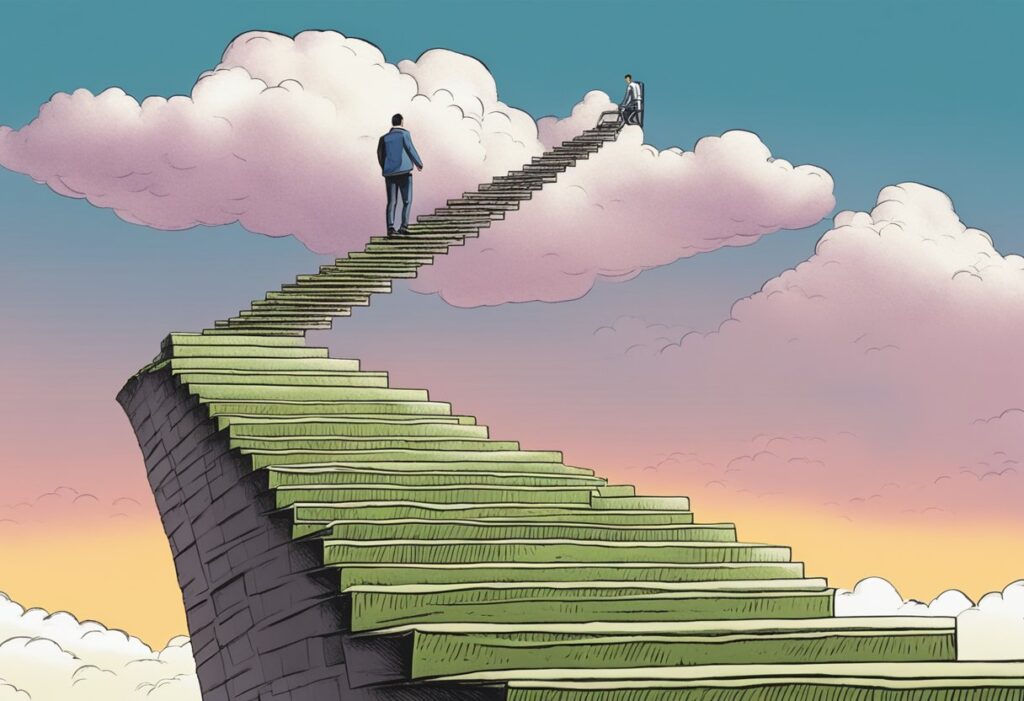
Making more money speeds up debt payoff and creates financial breathing room. Extra income gives you the power to tackle debt faster while maintaining your standard of living.
Securing a Higher Paying Job
I recommend starting your job search while still employed. Update your resume to highlight your most valuable skills and recent accomplishments. Companies often pay 10-20% more when you switch jobs.
Look for positions that match your experience but offer better compensation. Research salary ranges on sites like Glassdoor and Indeed to know your market value.
Ask for more responsibilities in your current role. Document your contributions and use them to negotiate a raise. If internal growth isn’t possible, consider certification programs to qualify for higher-paying positions.
Side Hustles and Freelancing
I’ve found that freelancing platforms like Upwork and Fiverr make it easy to earn money from existing skills. Common options include writing, graphic design, virtual assistance, and web development.
Food delivery and rideshare apps offer flexible schedules. You can work when it fits your availability.
Online tutoring pays well if you’re knowledgeable in academic subjects or test prep. Teaching English online to international students is popular too.
Selling Unwanted Items
I suggest starting with high-value items you don’t use anymore. Electronics, furniture, and brand-name clothing often sell quickly on marketplace apps.
List items on multiple platforms like eBay, Facebook Marketplace, and Craigslist to reach more buyers. Take clear photos and write detailed descriptions.
Create a dedicated space to store items for sale. Keep packaging materials ready to ship sold items quickly. Remember to factor in shipping costs when pricing items.
How to Get out of debt by Reducing Expenses
Cutting costs is one of the fastest ways to find extra money to pay off debt. I’ll show you specific actions to lower your monthly spending and redirect those savings toward debt payments.
Cutting Non-Essential Spending
I recommend starting with subscription services. Cancel unused gym memberships, streaming services, and subscription boxes. Keep only the ones you use regularly.
Look at your food spending. Pack lunches instead of eating out. Plan meals ahead and make a grocery list to avoid impulse purchases. Buy generic brands and shop at discount stores.
Entertainment doesn’t need to be expensive. Try free activities like hiking, visiting parks, or attending community events. Borrow books and movies from the library instead of buying them.
Negotiating Bills and Rates
Call your service providers and ask for better rates. Many companies offer discounts just for asking, especially for loyal customers.
Shop around for better insurance rates. Compare quotes from different providers for auto, home, and life insurance. Bundle policies for additional savings.
Ask credit card companies to lower your interest rates. A simple phone call could save hundreds in interest charges each year.
Utilizing Budgeting Tools
Free apps like Mint and EveryDollar help track spending patterns. Link your accounts to see all expenses in one place.
Popular Budgeting Methods:
- Zero-based budgeting
- 50/30/20 rule
- Envelope system
Create spending alerts on your banking app. Set notifications when accounts drop below certain amounts or when large purchases are made.
Use cash for discretionary spending. Taking out a set amount each week helps limit overspending on non-essentials.
Seeking Professional Advice
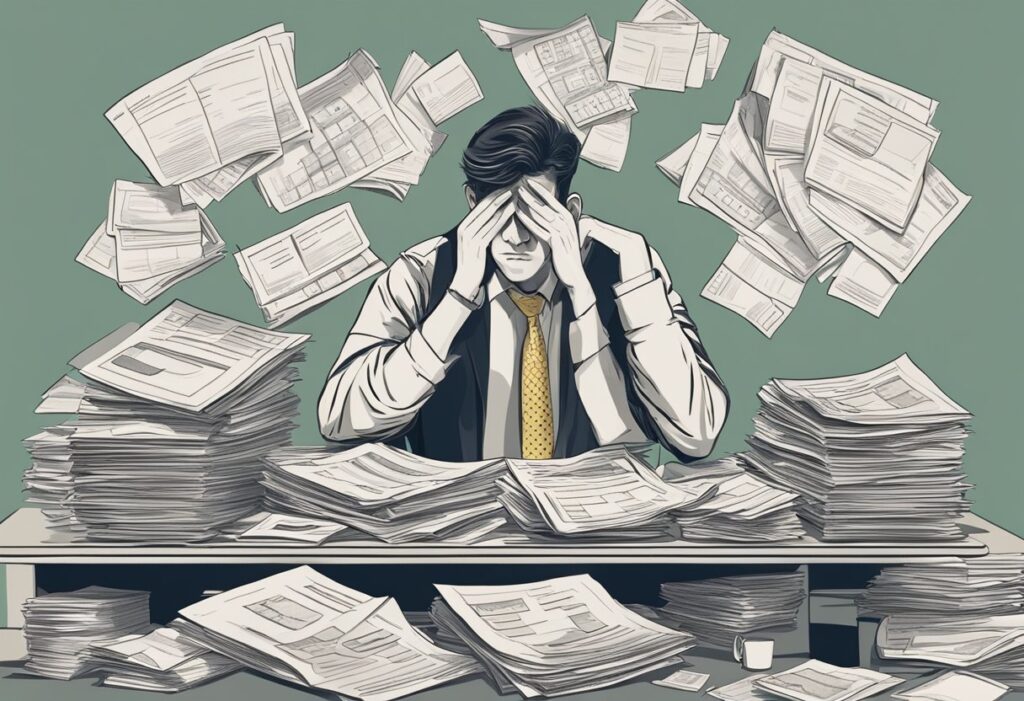
Getting expert help with debt management can make a big difference in your financial future. Professional guidance offers personalized solutions and expert strategies to tackle complex financial challenges.
Credit Counseling Services
Credit counselors review your finances and create custom debt management plans. Most non-profit credit counseling agencies offer free or low-cost initial consultations.
These professionals can negotiate with creditors to lower interest rates and set up affordable payment plans. I recommend looking for counselors certified by the National Foundation for Credit Counseling (NFCC).
Credit counseling services often provide educational resources and budgeting tools to help prevent future debt problems.
Financial Planners
Financial planners take a broader view of your money situation. They help create long-term strategies for debt repayment while balancing other financial goals.
I suggest looking for a Certified Financial Planner (CFP) who charges flat fees rather than commissions. This helps ensure you get unbiased advice.
These professionals can help you:
- Create realistic budgets
- Develop debt payment strategies
- Plan for emergencies
- Build wealth for the future
Debt Settlement Companies
Debt settlement companies negotiate with creditors to reduce what you owe. They typically ask you to stop paying creditors and save money in a separate account instead.
Warning: Many debt settlement companies charge high fees and can damage your credit score. Some make promises they can’t keep.
I recommend checking the company’s:
- Licensing status
- Better Business Bureau rating
- Fee structure
- Success rate
- Customer reviews
Consider this option only after exploring credit counseling and other debt management approaches.
Debt Management Plans

A debt management plan (DMP) offers a structured way to pay off credit card and other unsecured debts through lower interest rates and simplified monthly payments.
How to Set Up a DMP
I recommend starting by meeting with a credit counseling agency. They’ll review my finances and create a personalized plan.
The agency will contact my creditors to negotiate lower interest rates, often around 8%, and waive late fees.
I’ll make one monthly payment to the counseling agency, who then distributes the money to my creditors.
Most DMPs take 3-5 years to complete. I must stop using my credit cards and close the accounts while on the plan.
Pros and Cons of DMPs
Benefits:
- Lower interest rates
- Single monthly payment
- End collection calls
- Professional support
- No new debt required
Drawbacks:
- Must close credit cards
- Takes 3-5 years to complete
- Monthly fees to counseling agency
- Not all debts qualify
- May affect credit temporarily
Credit counseling agencies charge setup fees ($25-$75) and monthly fees ($25-$50), but these costs are often worth it due to interest savings.
DMPs work best for credit card debt. They don’t cover mortgages, car loans, or student loans.
Bankruptcy

Bankruptcy offers a legal path to eliminate debt and start fresh, though it comes with significant costs and impacts on credit scores. The court process wipes away qualifying debts while protecting some assets.
Understanding Bankruptcy
Bankruptcy is a legal process that erases most types of debt. I’ve found that credit cards, medical bills, and personal loans can be eliminated through bankruptcy.
Two main types exist: Chapter 7 and Chapter 13. Chapter 7 eliminates most debts quickly. Chapter 13 creates a 3-5 year repayment plan.
Filing costs range from $1,250 to $3,000 for attorney fees, plus court costs. I recommend considering this option only after trying other debt solutions.
The Bankruptcy Process
First, you must complete credit counseling from an approved agency. This step helps determine if bankruptcy is truly needed.
Next, you’ll file paperwork listing all debts, assets, income, and expenses. A trustee gets assigned to review your case.
The court issues an “automatic stay” that stops creditors from collecting. They can’t call, send letters, or file lawsuits.
Your trustee holds a meeting with creditors. You must answer questions about your finances under oath.
Life After Bankruptcy
Your credit score will drop significantly – often by 100 points or more. The bankruptcy stays on credit reports for 7-10 years.
Getting new credit becomes harder. Expect higher interest rates and stricter requirements when applying for loans or credit cards.
I’ve seen many people rebuild credit within 2-3 years by:
- Getting a secured credit card
- Making all payments on time
- Keeping credit utilization low
- Building an emergency fund
Some employers and landlords check credit reports, so job and housing applications might need extra explanation.
Maintaining Debt-Free Status

Staying debt-free takes dedication and smart financial habits. A mix of careful saving, wise spending, and responsible credit use will protect your financial freedom.
Building an Emergency Fund
I recommend saving 3-6 months of living expenses in an easily accessible account. This fund acts as a safety net when unexpected costs arise.
Set up automatic transfers from each paycheck to your emergency savings. Even $50-100 per month adds up quickly.
Keep emergency money in a high-yield savings account. The interest helps your fund grow while staying liquid for immediate needs.
Track your progress with a simple spreadsheet. Mark key milestones like one month’s expenses, then three months, then six months saved.
Sticking to a Budget
I track every dollar using a basic budget spreadsheet or app. This shows exactly where money goes each month.
Create specific spending limits for essentials like:
- Housing: 25-30% of income
- Food: 10-15% of income
- Transportation: 10-15% of income
- Utilities: 5-10% of income
Review spending weekly to catch problems early. Small adjustments prevent big budget issues later.
Using Credit Wisely
I keep my credit card spending under 30% of available credit. This helps maintain a strong credit score while avoiding debt.
Pay credit card balances in full each month. Set up automatic payments to never miss a due date.
Only open new credit accounts when truly needed. Too many cards increase temptation to overspend.
Check credit reports every 4 months to spot potential issues. Address any errors quickly to protect your credit standing.
Frequently Asked Questions
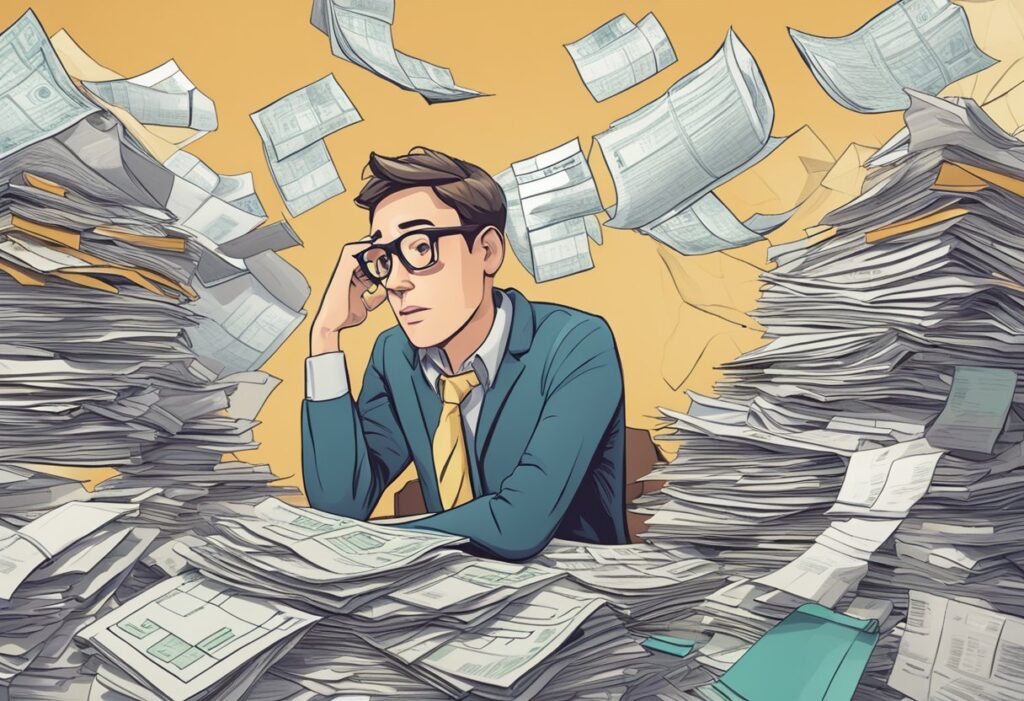
Debt relief options range from structured payment plans to government assistance programs. Success requires careful planning, dedication, and knowledge of available resources.
1. What are effective strategies for paying off debt quickly?
The debt avalanche method targets high-interest debts first to reduce total interest paid. I recommend listing all debts by interest rate and paying extra on the highest-rate balance while making minimum payments on others.
Creating a strict budget helps find extra money for debt payments. Track every expense and cut non-essential spending to free up more cash.
Picking up a side job or selling unused items can generate additional income specifically for debt repayment.
2. Are there specific grants available that can assist with debt repayment?
Some non-profit credit counseling agencies offer grants to help with debt payments. These are often limited and have specific qualifying criteria.
The National Foundation for Credit Counseling connects people with local grant programs. Religious organizations and community foundations sometimes provide debt relief grants.
3. What are the best practices for managing and eliminating significant debt on a low income?
Start by negotiating with creditors for lower interest rates. Many will reduce rates if you explain your situation and have made consistent payments.
Use the debt snowball method – pay off smallest debts first while maintaining minimum payments on larger ones. This creates momentum and quick wins.
Consider credit counseling services that offer debt management plans with reduced interest rates and consolidated monthly payments.
4. How can individuals with poor credit and no funds begin the debt repayment process?
Contact creditors to set up affordable payment plans based on your current income. Even small monthly payments show good faith.
Look for free credit counseling through non-profit organizations. They can review your situation and suggest viable options.
Consider secured credit cards to rebuild credit while making debt payments. Make every payment on time.
5. What government programs offer debt relief support?
The Department of Education offers income-driven repayment plans for federal student loans. These adjust payments based on income and family size.
The FHA provides housing counseling and mortgage modification programs for homeowners struggling with payments.
Veterans can access VA financial counseling and debt management programs through local veteran service offices.
6. Is it possible to settle substantial debt, like $50,000, in a short period, and if so, how?
Debt settlement typically requires having a lump sum available – usually 40-60% of the total debt amount.
Negotiate directly with creditors or use a reputable debt settlement company. Get all agreements in writing before making payments.
This approach will impact credit scores but can resolve large debts faster than traditional payment plans.