

Make Money with Food by turning your passion into profit
Do you love cooking? Are you always the one friends call for recipe advice? Your culinary skills could be your ticket to extra income. Many food lovers have found ways to turn their passion into profit, from catering small events to creating food blogs that earn thousands monthly.

You can make money with food through various channels, including selling homemade products, offering catering services, creating online content, teaching cooking classes, or starting a food delivery service. I’ve seen firsthand how people with basic cooking skills have built successful side hustles that eventually grew into full-time businesses. One friend started by selling homemade jams at a local farmers market and now supplies to grocery stores across three states.
The food industry offers flexible opportunities that can fit around your current job or family commitments. Whether you have just a few hours weekly or want to build something bigger, there’s a food-based money-making option that could work for you. The best part is you can start small with minimal investment and scale as you gain confidence and customers.
Key Takeaways
- Turn your cooking skills into income through multiple channels like catering, product sales, or content creation.
- Start small with minimal investment and gradually expand as you build your customer base.
- Ensure you understand food safety regulations and business requirements before launching your food venture.
Understanding the Food Industry
Before starting a food-based business, I need to understand the industry’s structure, what customers want, and the rules I must follow. The food sector contributes 5.5% to US GDP and provides 10.4% of US employment.
Market Analysis and Trends
The food industry operates with varying profit margins across different segments. Fast food businesses typically see net profit margins of 6-9%, which helps me set realistic expectations for my venture.
Food blogs represent a growing digital segment where passionate cooks can monetize their knowledge without traditional overhead costs. Many successful entrepreneurs start small by selling homemade goods locally before expanding.
Local markets, stores, cafes, and canteens offer entry points for new food products without massive initial investment. I’ve noticed specialty food products often command higher margins than generic offerings.
The farm-to-table movement continues gaining momentum as consumers increasingly value transparency in their food sources.
Consumer Preferences
Today’s food consumers prioritize different values than previous generations. Convenience remains important, but not at the expense of perceived quality or authenticity.
Health-conscious options continue gaining market share, with many consumers willing to pay premium prices for products they believe offer nutritional benefits. This explains the explosion of “functional foods” that promise specific health advantages.
Sustainability practices increasingly influence purchasing decisions. Packaging, sourcing methods, and environmental impact matter to a growing segment of food buyers.
Regional and ethnic flavors continue expanding beyond their traditional markets as consumers seek novel taste experiences. I can leverage this trend by identifying underserved flavor profiles in my target market.
Regulatory Environment
Food businesses face significant regulatory oversight to ensure public safety. Before launching any food venture, I must understand health department requirements that apply to my specific situation.
Cottage food laws vary by state but generally allow small-scale production of certain food items in home kitchens. These laws typically limit sales volume and restrict certain high-risk foods.
Labeling requirements demand accurate representation of ingredients, nutritional content, and allergen warnings. The FDA enforces strict guidelines that apply even to small producers.
Commercial kitchens must pass regular inspections and maintain specific sanitation standards. Many entrepreneurs rent certified kitchen space rather than investing in their own facilities initially.
Food handler certifications are mandatory in most jurisdictions for anyone preparing food for public consumption.
Defining Your Food Business Idea
Before diving into your food business venture, you need a clear, well-defined concept that stands out in the market. A strong business idea serves as your foundation and guides all future decisions about your operations.
Identifying a Niche
Finding your unique place in the food industry is crucial for success. I recommend looking for gaps in the market where your skills and passions can meet customer needs. For example, if your neighborhood lacks healthy grab-and-go options, this could be your opportunity.
Look at current food trends like plant-based eating, global cuisines, or specialty diets. These areas often have passionate customer bases willing to pay for quality products.
Your personal strengths matter too. If you excel at baking artisan bread or creating authentic cultural dishes, build your business around these skills. The most successful food businesses combine market needs with the founder’s authentic talents.
Validating Your Concept
Testing your idea before full launch saves time and money. I suggest starting small with pop-up events, farmers markets, or catering for friends and family to gather feedback.
Create simple surveys to ask potential customers about your concept, pricing, and presentation. Their responses will help refine your offering.
Research your competition thoroughly. Visit similar businesses, study their menus, pricing, and customer experience. Note what works well and identify opportunities to differentiate your business.
Financial validation is equally important. Calculate your costs (ingredients, labor, packaging) and test different price points to ensure profitability while remaining competitive.
Setting Clear Objectives
Establish specific, measurable goals for your food business. I find that breaking objectives into short-term (3 months), medium-term (1 year), and long-term (3-5 years) targets creates a clear roadmap.
Define what success looks like for you. Is it a certain profit margin, number of customers served, or perhaps work-life balance? Your personal definition of success should guide your business decisions.
Set realistic financial targets including startup costs, break-even timeline, and revenue goals. These numbers provide benchmarks to measure progress.
Consider your growth strategy early. Will you expand to multiple locations, focus on wholesale distribution, or perhaps develop a food product line? Clear direction helps you make consistent decisions as opportunities arise.
Creating a Business Plan
A solid business plan is the foundation of any successful food business. It helps you clarify your vision, set clear goals, and identify potential challenges before they arise.
Financial Projections
Creating accurate financial projections is critical for your food business. I recommend starting with startup costs, including equipment, licenses, permits, and initial inventory. Be realistic about these numbers.
Next, forecast your revenue for the first 1-3 years. Base this on:
- Expected customer count
- Average transaction value
- Operating days per year
Don’t forget to include all expenses:
- Food costs (typically 28-35% of revenue)
- Labor (25-35%)
- Rent (5-10%)
- Utilities
- Marketing
- Insurance
Calculate your break-even point to understand how much you need to sell to cover costs. This helps set realistic sales targets and timelines for profitability.
Marketing Strategy
Your marketing strategy should clearly identify who will buy your food products and how you’ll reach them. Start by defining your target audience based on demographics, food preferences, and buying habits.
Research competitors to find gaps in the market you can fill. What makes your food business unique? This could be special recipes, sourcing practices, or customer experience.
Choose marketing channels that reach your audience effectively:
- Social media (Instagram works well for food)
- Food blogs and influencers
- Local events and farmers markets
- Email marketing
Set a realistic marketing budget, typically 3-6% of projected revenue. Track which channels bring the most customers to adjust your strategy as needed.
Operational Plan
Your operational plan details the daily functioning of your food business. Start by outlining your production process from ingredient sourcing to final product. Consider batch sizes, preparation time, and storage requirements.
Define your supply chain clearly. List key suppliers and backup options in case of shortages. Establish quality control procedures to maintain consistent standards.
Staffing needs should be carefully planned:
- How many employees will you need?
- What skills are required?
- Will you need seasonal staff?
Include legal requirements like food safety certifications, health permits, and business licenses. Research regulations specific to your location and food type.
Document your hours of operation, customer service policies, and procedures for handling complaints or returns.
Sourcing Ingredients and Supplies
Finding quality ingredients at good prices is critical for food business success. The right sourcing strategy can reduce costs while maintaining the quality customers expect.
Local Suppliers
Working with local suppliers offers several advantages for my food business. I can build relationships with farmers and producers to get fresher ingredients that haven’t traveled far. This often results in better-tasting food products that customers appreciate.
Local markets and farm stands are excellent places to find seasonal produce. I’ve found that visiting these locations regularly helps me spot good deals and unique ingredients that make my offerings stand out.
Many local suppliers are willing to negotiate prices for regular customers. By committing to weekly or monthly purchases, I can often secure better rates than one-time buys.
The freshness factor also reduces waste in my kitchen, as locally-sourced items typically last longer than those shipped from far away.
Wholesale Purchasing
Buying ingredients wholesale significantly cuts costs for my food business. Wholesale suppliers offer bulk pricing that can reduce ingredient costs by 20-40% compared to retail prices.
I need to research different wholesalers to find the best prices and quality. Online platforms and local restaurant supply stores are good starting points for finding reliable wholesale sources.
Many wholesalers require minimum purchase amounts, so I must plan carefully. I balance bulk buying with storage capacity and shelf life of ingredients.
Comparison of Purchasing Options:
| Purchase Type | Price Advantage | Min. Order | Best For |
|---|---|---|---|
| Retail | None | None | Small batches, testing |
| Wholesale | 20-40% savings | Moderate | Regular production |
| Direct (Farm) | 15-30% savings | Varies | Fresh, seasonal items |
Some wholesalers offer price locking for certain periods, protecting my business from market fluctuations.
Sustainable Practices
Implementing sustainable sourcing practices helps my food business appeal to eco-conscious customers. I prioritize ingredients with minimal packaging or those available in compostable/recyclable containers.
I look for suppliers who use responsible farming methods. This includes organic certification, regenerative agriculture practices, or simply reduced chemical use in production.
Seasonal purchasing is both sustainable and cost-effective. In-season ingredients cost less and require fewer resources to grow and transport.
I reduce waste by finding creative uses for food scraps and imperfect produce. Vegetable trimmings become stocks, and blemished fruits work well in sauces or preserves.
Building a network of suppliers who share sustainability values helps ensure consistent access to responsibly-sourced ingredients. This network becomes valuable when specific items are scarce or when I need to source something new quickly.
Building Your Brand And Make money with food

A strong food brand helps you stand out in a crowded marketplace. The right branding creates customer loyalty and can justify premium pricing for your food products or services.
Developing a Unique Selling Proposition
Your unique selling proposition (USP) is what makes your food business different from competitors. I recommend identifying what’s special about your offerings – whether it’s family recipes, unusual ingredients, or health benefits.
Think about these questions:
- What problem does your food solve?
- What makes your cooking or food products special?
- Why should customers choose you over alternatives?
For example, if you make pasta sauce, your USP might be “authentic Italian recipes using organic tomatoes grown in small batches.” This tells customers exactly what makes you different.
Your USP should be clear, specific, and memorable. It should guide all your business decisions from product development to marketing messages.
Logo and Packaging Design
Your visual identity creates the first impression of your food brand. I’ve found that effective food packaging combines functionality with visual appeal.
Key elements to consider:
- Colors: Choose colors that reflect your food type (greens for healthy foods, rich browns for artisanal products)
- Typography: Select fonts that match your brand personality
- Imagery: Use high-quality photos of your actual food
Packaging must protect your product while communicating its value. Consider eco-friendly options if sustainability aligns with your brand values.
Invest in professional design if possible. Good design pays for itself through increased perceived value and higher prices you can charge.
Online Presence
A strong digital footprint is essential for food businesses today. I recommend starting with a professional website that showcases your products with high-quality images.
Social media platforms like Instagram and TikTok are particularly effective for food businesses. Post regular content showing your food preparation, behind-the-scenes glimpses, and customer testimonials.
Food influencer partnerships can significantly expand your reach. Look for micro-influencers whose audience matches your target market.
Email marketing remains powerful for food businesses. Create a newsletter with recipes, special offers, and updates about your food journey.
Engage with online food communities relevant to your niche. Authentic participation builds credibility and attracts customers who share your food values.
Food Production and Safety
Food safety regulations and quality control play vital roles in any food-related business venture. Understanding these requirements helps prevent legal issues while building customer trust and ensuring product consistency.
Permits and Licenses
Starting a food business requires obtaining proper permits and licenses before selling any products. I need to contact my local health department to learn about specific requirements in my area. Most locations require a food handler’s permit or food safety certification at minimum.
For home-based businesses, many states offer cottage food laws that allow limited food production without commercial kitchen requirements. These laws typically restrict what foods I can sell and where I can sell them.
Commercial operations face stricter regulations. I’ll need business licenses, food establishment permits, and possibly specialized permits depending on what I’m producing. The investment in proper licensing, while sometimes costly, protects both my business and customers.
Quality Control
Implementing strong quality control measures ensures consistency and safety in my food products. I should develop standardized recipes with precise measurements and preparation methods to maintain product uniformity.
Regular testing of products helps identify variations before they reach customers. This includes checking for proper cooking temperatures, storage conditions, and shelf-life validation.
Documentation is essential. I should keep detailed records of:
- Ingredient sourcing
- Production dates
- Batch numbers
- Quality check results
Quality control extends to packaging and labeling too. Packaging must protect food integrity, while labels need to accurately list ingredients and allergen information according to FDA guidelines.
Health Standards Compliance
Meeting health standards is non-negotiable in the food industry. The FDA Food Code provides guidance that most local health departments adopt for inspections. I need to familiarize myself with these requirements.
Food safety training for myself and any employees is crucial. Programs like ServSafe offer certifications that many jurisdictions recognize and sometimes require.
I must implement a HACCP (Hazard Analysis Critical Control Points) plan for my operation. This systematic approach identifies potential hazards and establishes controls to prevent foodborne illness.
Regular self-inspections help catch issues before health inspectors do. I should use the same criteria health departments use when examining my facility and processes.
The investment in proper safety protocols pays off. According to Glassdoor, food safety and quality assurance managers earn an average annual salary of $87,000—showing the value placed on this expertise.
Selling Your Food Products
Once you’ve created a delicious food product, the next step is finding the right sales channels. These pathways to market can make or break your food business, regardless of how amazing your recipe might be.
Retail Sales
Getting your food products into stores requires preparation and persistence. Start small with local specialty shops, co-ops, or independent grocers who often support local producers. I’ve found that offering free samples to store managers can dramatically increase your chances of getting shelf space.
Before approaching retailers, ensure your packaging looks professional and contains all required labeling information. Pricing is crucial – you’ll need to factor in wholesale discounts (typically 30-50% off retail) while still maintaining profitability.
Many successful food entrepreneurs begin by testing products at farmers markets before approaching stores. This strategy helps you refine your offering and build evidence of customer demand, which strengthens your pitch to retailers.
Online Marketplaces
The digital landscape offers numerous opportunities to sell food products without the overhead of physical retail. Platforms like Etsy, Amazon Handmade, and specialty food marketplaces allow you to reach customers nationwide.
Social media can be a powerful sales tool. I recommend creating beautiful food photography and sharing your story to connect with potential customers. Instagram and Facebook shops make purchasing seamless for interested followers.
Consider creating your own e-commerce website using platforms like Shopify or Square. This gives you complete control over your brand presentation and customer relationships. Remember to factor shipping costs into your pricing structure, especially for perishable items that require special packaging.
Food Events and Festivals
Food festivals, farmers markets, and craft fairs offer excellent opportunities to sell products while gathering immediate feedback. These venues allow face-to-face interaction with customers, creating loyal fans who may follow you to other sales channels.
When selecting events, I recommend researching attendance numbers and demographic information to ensure your product will find its target audience. Calculate all costs including booth fees, travel expenses, and samples before committing.
Bring plenty of business cards and promotional materials. Consider offering show-only specials to encourage immediate purchases. Many vendors use these events to build email lists for future marketing efforts.
Don’t underestimate the networking potential at these gatherings. I’ve connected with retail buyers, potential collaborators, and even investors while selling at local food festivals.
Leveraging Food Delivery Services

Food delivery services have transformed how people eat and how restaurants operate. I’ve seen many businesses boost their income by working with platforms like Uber Eats, DoorDash, and Grubhub.
These apps charge restaurants fees—typically around 15-30% of each order. While this might seem high, they can still be profitable when used strategically.
I recommend starting with your most popular menu items. These should have good profit margins even after delivery fees. Consider creating delivery-only specials that are cost-effective to prepare and transport.
Ways to maximize delivery app profits:
- Price menu items slightly higher on delivery platforms
- Create special “delivery bundles” with higher margins
- Limit delivery menu to items that travel well
- Use multiple platforms to reach more customers
Some restaurants have found success with “ghost kitchens”—delivery-only operations with low overhead costs.
It’s important to analyze which items are most profitable through delivery apps. I track which dishes sell best and maintain quality during transport.
For small restaurants, balancing delivery orders with in-house dining is crucial. During slow periods, delivery orders can supplement income without overwhelming your kitchen.
Remember to promote your own direct ordering system too. Direct orders mean keeping 100% of the profits and maintaining a direct relationship with your customers.
Expanding Revenue Streams
Food businesses can grow profits by adding new ways to sell products and services. Smart owners look beyond their primary business model to find opportunities that match their skills and customer needs.
Catering Services
Catering offers a profitable way to expand my food business. I can serve private parties, corporate events, and special occasions with customized menus. The margins are typically higher than regular restaurant service because I can plan precisely and reduce waste.
To start catering, I need to:
- Create tiered menu packages at different price points
- Invest in portable warming equipment and transportation
- Develop clear policies for deposits, cancellations, and minimums
Many successful food businesses earn 30-40% of their revenue from catering. The best part is that catering events often happen during off-peak hours, allowing me to maximize kitchen usage and staff time.
Cooking Classes
Teaching others to cook creates an additional income stream while building deeper connections with customers. I can offer classes based on cuisine types, techniques, or seasonal ingredients.
Classes can be structured in different formats:
One-time workshops: Perfect for specific dishes or techniques Series classes: Multi-week programs that build skills progressively Private lessons: Higher-priced personalized instruction
The profit comes from class fees, but I shouldn’t overlook supplementary sales. Many students purchase ingredients, cookbooks, or kitchen tools after class. Online cooking classes have also grown in popularity, allowing me to reach students beyond my local area.
Food Tours
Food tours combine culinary experiences with entertainment and education. I can create walking tours featuring local eateries, markets, or food producers in my area.
Successful food tours include:
- 4-6 tasting locations with diverse offerings
- Cultural and historical information about the area
- Exclusive experiences not available to regular customers
I should consider partnerships with complementary businesses like breweries or farms. These collaborations expand my tour offerings and create cross-promotional opportunities.
Pricing for food tours typically ranges from $50-150 per person, depending on location and exclusivity. The key to profitability is managing group size and negotiating favorable rates with participating venues.
Managing Finances and Growth
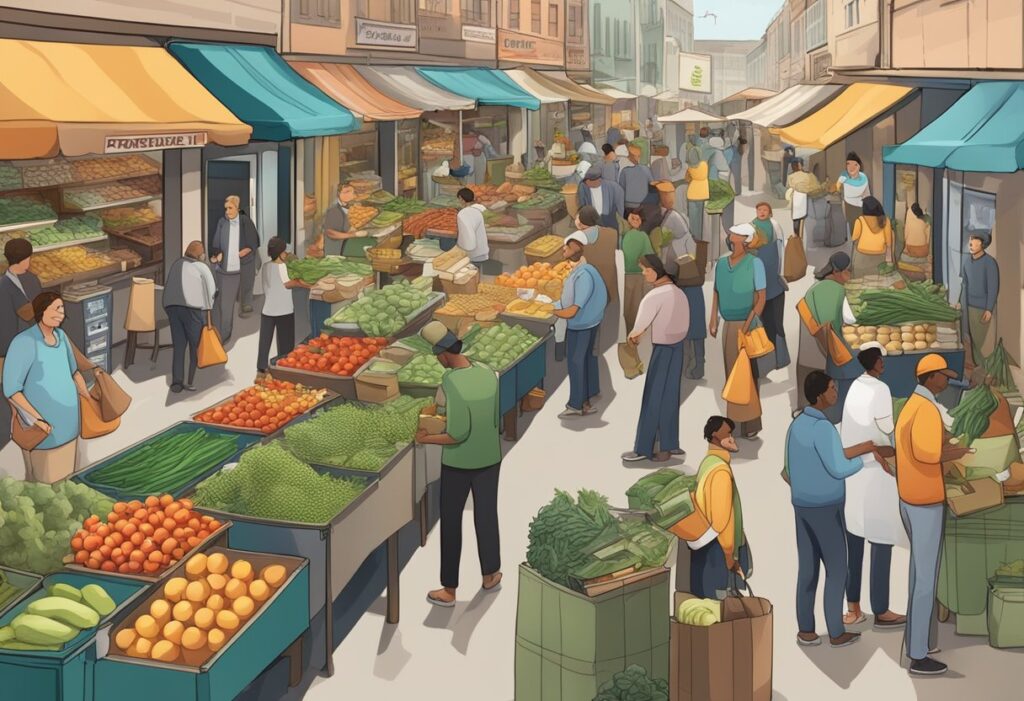
Proper financial management is the backbone of any successful food business. I’ve found that tracking expenses, implementing cost controls, and making strategic growth decisions are essential for long-term profitability in this competitive industry.
Cost Control Strategies
Food costs can quickly eat into profits if not carefully managed. I recommend standardizing recipes and portion sizes to maintain consistency and reduce waste. Create a detailed inventory system and track ingredients weekly to identify where money might be leaking.
Purchase supplies in bulk when appropriate, but be mindful of storage space and shelf life. Negotiate with vendors for better prices, especially if you’re a regular customer.
Labor costs are another major expense. Schedule staff efficiently based on historical busy periods, and cross-train employees to handle multiple responsibilities during slower times.
Track your food cost percentage regularly:
- Target: 28-32% of revenue
- Calculate: (Cost of Food Used ÷ Food Sales) × 100
- Monitor weekly for immediate course correction
Scaling Your Business
Start scaling only after establishing solid processes. I’ve seen too many food businesses expand too quickly and collapse under the weight of new operational challenges.
Consider these proven growth strategies:
- Catering services that utilize your existing kitchen
- Online ordering to reach customers beyond your location
- Meal prep subscriptions for consistent revenue
Before expanding to new locations, ensure your first operation runs smoothly without your constant supervision. Document all procedures and recipes for consistency across multiple locations.
Technology investments in point-of-sale systems and inventory management software will pay off as you grow. These tools provide valuable data to inform business decisions.
Investment and Funding
Food businesses typically need capital for equipment, inventory, and marketing. I recommend starting with a detailed business plan that outlines expected costs and revenue projections.
Funding options include:
- Self-funding – Using personal savings
- Small business loans – Through banks or SBA programs
- Private investors – Friends, family, or angel investors
- Crowdfunding – Platforms like Kickstarter for community support
Keep separate business and personal accounts from day one. This makes tax season easier and provides clear financial records if you seek funding later.
Set aside 3-6 months of operating expenses as an emergency fund. Food businesses face seasonal fluctuations and unexpected equipment repairs that can strain finances without proper reserves.
Case Studies: Successes and Lessons
I’ve found that studying real food business successes offers valuable insights. Let’s look at some impressive examples from the market.
Caviar built a $21.6 million per year business by focusing on high-end restaurant deliveries. They identified an untapped niche in the premium food delivery market.
Food Fleet generates approximately $18 million annually through their innovative food distribution model. Their success came from solving logistics challenges many restaurants face.
Send Eats reached $4.62 million yearly revenue by creating efficient delivery systems in underserved areas. They saw opportunity where others didn’t.
Cameron’s (another successful food business) demonstrates that scale isn’t always necessary for profitability.
Key Lessons from Food Entrepreneurs:
- Thorough market research before launch is critical
- Product development must be iterative based on customer feedback
- Production efficiency directly impacts margins
- Strong financial planning prevents common cash flow issues
I’ve noticed successful food bloggers often monetize content through multiple streams – sponsored posts, cookbooks, and affiliate marketing.
School meal programs show how food services can balance nutrition with economic viability. They serve as both social good and viable business models.
The most successful food businesses I’ve studied combine passion with practicality. They understand their market, control costs, and deliver consistent quality.
Frequently Asked Questions
Many people want to make money with food but aren’t sure where to start. These common questions address the most practical ways to turn your culinary passion into profit, from home cooking to social media strategies.
What are some strategies for making money by cooking at home?
You can start a meal prep service for busy professionals who want healthy, home-cooked options. I’ve seen many people succeed with this approach by offering weekly subscription packages.
Another option is creating specialty food items like baked goods, jams, or spice blends. Focus on unique recipes that aren’t easily found in stores to stand out in the market.
Teaching cooking classes from your kitchen is also profitable. You can host small groups and charge per person or session, sharing your expertise in specific cuisines or techniques.
Catering small events or family gatherings allows you to scale your cooking business without major investment. Start with friends and family to build your reputation.
What steps are involved in earning income as a food blogger on social media platforms?
First, choose your niche carefully. Specializing in a specific type of cuisine or cooking style helps attract a dedicated audience faster than trying to cover everything.
Create consistent, high-quality content with beautiful food photography. Invest in a good camera or smartphone with excellent camera capabilities and learn basic food styling.
Build your audience by posting regularly and engaging with followers. Respond to comments and participate in food communities to increase visibility.
Monetize through multiple channels including sponsored posts, affiliate marketing, and ad revenue. As your following grows, brands may pay you to feature their products.
Develop your own products like e-cookbooks or meal plans once you have an established audience. These digital products can provide passive income over time.
What are the legal considerations for selling homemade food for profit?
Check your state’s cottage food laws, which regulate home-based food businesses. These laws vary widely by location and determine what foods you can legally sell.
Most states require a food handler’s permit or food safety certification. These courses teach proper food handling and safety protocols to prevent contamination.
Proper labeling is mandatory for all food products. Labels must include ingredients, allergens, your business name, and contact information.
Business licensing and registration requirements apply to food businesses. You’ll need permits from your local health department and possibly zoning clearances.
Tax obligations are important to understand from the start. Track all expenses and income, as you’ll need to report this on your taxes as business income.
How can one become a successful food influencer and monetize their audience?
Develop a unique personality and content style that sets you apart. The food space is crowded, so your personal brand needs to be distinctive.
Post consistently across platforms like Instagram, TikTok, and YouTube. Cross-posting content in different formats maximizes your reach.
Network with other food influencers for collaborations. These partnerships can introduce you to new audiences and create engaging content.
Engage authentically with your audience by responding to comments and messages. Building relationships with followers increases loyalty and engagement rates.
Approach brands for partnerships once you have consistent engagement. Even with smaller followings, highly engaged audiences are valuable to food brands.
What are the best platforms for selling home-cooked meals?
Local marketplace apps like Nextdoor and Facebook Marketplace help you connect with customers in your community. These platforms have low barriers to entry.
Specialized food delivery apps such as Shef, Dish Divvy, or Foodom connect home cooks with hungry customers. Each platform has different requirements and fee structures.
Creating your own website gives you complete control over your business. Use platforms like Shopify or Wix to build a site with online ordering capabilities.
Instagram and Facebook can serve as simple sales platforms. Create business profiles where you post menus, take orders via direct messages, and coordinate pickups.
Community boards and local farmers markets provide in-person selling opportunities. These venues help build personal connections with repeat customers.


